
Bisexual Flag Meaning: History, Symbolism, Colors & Facts
27/11/2025 · Updated on: 30/11/2025
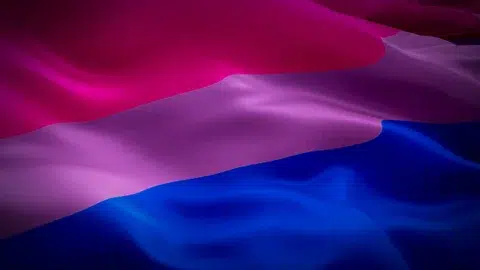
The Bisexual Flag is one of the most recognizable symbols in the LGBTQ+ community, representing bisexual visibility and pride. But what exactly does it mean? What is its history, and why are its colors important? In this guide, we explore everything you need to know —from its creation to its cultural significance.
What Is the Bisexual Flag?
Is a symbol designed to represent the bisexual community and raise awareness about bisexuality. It was created by Michael Page in 1998 to provide a clear, recognizable identity for bisexual individuals. The flag serves as a visual affirmation that bisexuality is valid and visible.

The History of the Bisexual Flag
Before the flag existed, bisexual people often felt invisible, even within LGBTQ+ spaces. Michael Page created the flag to address this lack of representation. He wanted a simple yet meaningful design that could symbolize community, visibility, and pride for bisexual individuals worldwide.
The flag was first publicly introduced at BiCafe, a social event for bisexuals in the United States, and quickly became an internationally recognized symbol. Today, it is displayed during Bi Visibility Day and other pride events.
Colors and Their Meanings
The Bisexual Flag has three horizontal stripes, each with its own significance:
- Magenta (top stripe): Represents attraction to the same gender.
- Lavender (middle stripe): Represents attraction to both genders, blending pink and blue.
- Royal Blue (bottom stripe): Represents attraction to a different gender.
This color combination reflects the spectrum of bisexuality and emphasizes that bisexual attraction is valid and diverse.
Why the Bisexual Flag Matters
Plays a crucial role in creating visibility for bisexual people. Bisexuality is often misunderstood or erased, even within LGBTQ+ communities. Thehelps combat stereotypes and promotes acceptance and understanding. Displaying the flag signals pride, solidarity, and the acknowledgment of bisexual identities.
How to Use the Bisexual Flag
- Wear it during pride events or LGBTQ+ celebrations.
- Include it in educational or advocacy materials.
- Display it online as part of social media profiles or posts to show support.
- Use it in spaces to create safe, inclusive environments for bisexual individuals.
Bisexual Flag FAQs
1. Who created the Bisexual Flag?
Michael Page, a bisexual activist, designed the flag in 1998 to give bisexual people visibility and representation.
2. What do the colors mean?
The magenta represents attraction to the same gender, blue represents attraction to different genders, and lavender in the middle represents attraction to multiple genders.
3. When is the Bisexual Flag displayed?
The flag is commonly displayed during Bi Visibility Day, pride parades, and events celebrating bisexuality and LGBTQ+ awareness.
4. Can anyone display the flag?
Yes. Allies and community members can display the flag to show support, solidarity, and commitment to bisexual visibility.
Interesting Facts About the Bisexual Flag
- The flag is internationally recognized as the official symbol of bisexuality.
- Lavender is intentionally placed in the middle to symbolize the blending of attraction to multiple genders.
- Bisexual Visibility Day (September 23) often features the flag prominently.
- It complements the broader LGBTQ+ rainbow flag while providing specific bisexual representation.
Why Awareness of the Bisexual Flag Is Important
Visibility matters. Bisexual people face unique challenges, including stigma, misunderstanding, and erasure. By learning about and displaying, we can help normalize bisexuality and promote inclusion. Recognizing the flag supports the broader goals of equality, respect, and LGBTQ+ community solidarity.
Bisexual Visibility
Is more than just colors—it's a powerful symbol of pride, inclusion, and awareness. Whether displayed during events, online, or in communities, it helps highlight bisexual identities and combats erasure. Understanding its history, symbolism, and purpose strengthens the LGBTQ+ community and promotes respect, understanding, and solidarity for all bisexual individuals.