
What is Narcissism and How Can We Interpret It in Community Support Dynamics?
12/11/2025 · Updated on: 30/11/2025
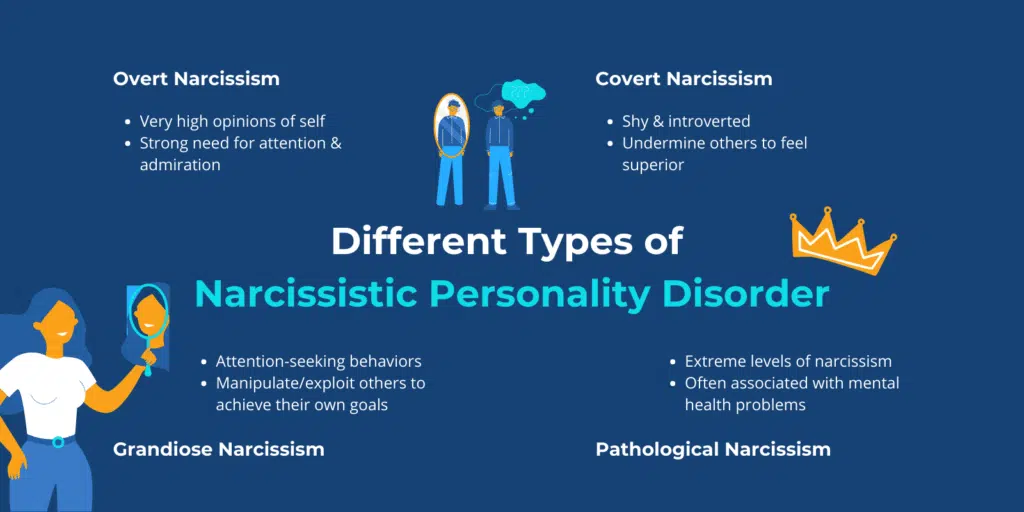
Table of Contents
- Introduction
- Understanding Narcissism
- Narcissism in the Context of Community
- How Narcissism Manifests in Community Dynamics
- The Impact of Narcissism on Community Health
- Addressing Narcissistic Behaviors in Communities
- Fostering Healthy Community Dynamics
- Supporting Narcissistic Individuals in Community Settings
- Creating Healthy Boundaries in Community Support
- Conclusion
Introduction
Narcissism is often discussed in both clinical and social contexts, but how does it affect the dynamics of community support? In environments where individuals rely on collective care, shared resources, and emotional investment, the presence of narcissistic behavior can significantly impact group cohesion and the effectiveness of the community. Whether it’s in volunteer organizations, support groups, or online communities, understanding how narcissism manifests and how to navigate it is essential for fostering a healthy, supportive environment.
This article will explore what narcissism is, how it can appear in community dynamics, and how we can better interpret and address it. We’ll also discuss strategies for supporting narcissistic individuals in community settings while maintaining group harmony and personal well-being. By examining narcissism through the lens of community support, we hope to offer insights that can help cultivate healthier, more resilient communities.
Understanding Narcissism
Narcissism is a term often associated with self-centeredness, a lack of empathy, and a need for admiration. At its core, narcissism involves a distorted sense of self-importance and a tendency to manipulate others to maintain one’s sense of superiority. Narcissistic behavior can manifest in various ways, ranging from subtle self-promotion to overt exploitation of others. It's important to note that narcissism exists on a spectrum, and not everyone exhibiting narcissistic traits has a clinical personality disorder.
The Diagnostic and Statistical Manual of Mental Disorders (DSM-5) identifies Narcissistic Personality Disorder (NPD) as a pattern of grandiosity, need for admiration, and lack of empathy. However, narcissistic traits can also appear in individuals without meeting the full criteria for a diagnosis. In social and community contexts, narcissism can sometimes be difficult to identify because these behaviors are often camouflaged by charm, charisma, or the ability to convince others of their exceptionalism.
At a basic level, narcissistic individuals crave validation and often prioritize their own needs over the needs of others. They may seek out admiration or support, yet struggle to reciprocate care or empathy. This behavior can create imbalances in relationships, especially in communal settings where shared responsibility and mutual care are key components.

Narcissism in the Context of Community
Communities, whether physical or virtual, rely on cooperation, mutual respect, and collective effort to thrive. Narcissism, when present in these environments, can disrupt these dynamics in a variety of ways. One of the key challenges is that narcissistic individuals may prioritize their own needs and desires over the well-being of the group, leading to power imbalances and the potential for exploitation.
In community support groups, whether focused on mental health, recovery, or advocacy, narcissistic behaviors can present themselves in several ways:
- Self-promotion over collaboration: Narcissistic individuals may dominate conversations or situations, using group settings to promote their own achievements or ideas at the expense of others’ input.
- Lack of empathy: A narcissistic individual may fail to offer support when others are in need, instead expecting attention and admiration in return for any minimal effort.
- Exploitation of resources: In some cases, narcissistic people may take more than their fair share of group resources or attention, leaving others feeling neglected or underappreciated.
These behaviors can be particularly harmful in tight-knit communities where trust, mutual respect, and a sense of belonging are essential for success. Narcissism can cause rifts, lower morale, and, in extreme cases, lead to the collapse of community cohesion.
How Narcissism Manifests in Community Dynamics
In community dynamics, narcissism can manifest in both overt and subtle ways. It’s important to recognize these behaviors early on to mitigate their impact on the group. Some common manifestations of narcissism in a community setting include:
- Attention-seeking behavior: Narcissistic individuals may constantly seek the spotlight, diverting conversations or activities to themselves, and demanding validation from others.
- Inability to take constructive criticism: A narcissist may react defensively or with hostility to feedback, seeing any criticism as a threat to their self-image.
- Manipulative tactics: Narcissistic individuals often use manipulation to control situations or people, whether through guilt-tripping, flattery, or passive-aggressive behavior.
- Relationship exploitation:Narcissists may form relationships that are primarily self-serving, using others for personal gain without reciprocating genuine emotional investment.
Recognizing these behaviors can be challenging, especially when they are masked by superficial charm or charisma. However, over time, these patterns may emerge as narcissistic individuals prioritize their needs at the expense of the group’s collective well-being.

The Impact of Narcissism on Community Health
The presence of narcissistic behaviors within a community can have far-reaching consequences on group health and dynamics. Narcissism tends to foster a toxic environment where individuals feel unappreciated or exploited, leading to emotional burnout, resentment, and disengagement.
Some specific ways in which narcissism can harm community health include:
- Decreased group cohesion: When a narcissistic individual dominates conversations or resources, it can alienate other members and weaken group bonds.
- Increased conflict: The self-centered nature of narcissism often leads to misunderstandings, arguments, or conflicts, as others feel their needs are disregarded.
- Burnout: Communities that rely on voluntary or emotional labor may experience burnout when narcissistic individuals take advantage of others' efforts without offering support in return.
- Loss of trust: Narcissism undermines trust, which is the foundation of healthy relationships. Without trust, collaboration, and mutual support become difficult, leading to community fragmentation.
These negative impacts can be particularly detrimental in communities that require high levels of emotional labor, such as mental health support groups, peer networks, or activism groups. Over time, a narcissistic presence can slowly erode the sense of shared purpose that is essential for community health.