
Demisexual Relationships: Understanding, Challenges, and Tips
27/11/2025 · Updated on: 30/11/2025

Demisexuality is a sexual orientation that exists on the asexual spectrum. People who identify as demisexual typically experience sexual attraction only after forming a strong emotional bond with someone. Demisexual relationships challenge conventional notions of sexuality and offer unique perspectives on intimacy, trust, and connection.
In this article, we will explore what demisexuality is, how demisexual relationships function, common challenges, communication strategies, and how partners can support one another. We will also address frequently asked questions and provide resources for further learning.
- What Is Demisexuality?
- Characteristics of Demisexual Relationships
- Challenges in Demisexual Relationships
- Tips for Building Healthy Demisexual Relationships
- Examples of Demisexual Relationship Dynamics
- Common Misconceptions About Demisexual Relationships
- Media and Representation of Demisexual Relationships
- Frequently Asked Questions About Demisexual Relationships
What Is Demisexuality?
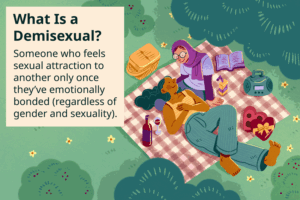
Demisexuality is a sexual orientation where individuals do not experience sexual attraction unless a strong emotional connection is established. It is considered part of the broader asexual spectrum, although demisexual individuals may pursue sexual relationships under specific circumstances.
Characteristics of Demisexual Relationships
Relationships involving demisexual individuals often have distinctive features:
- Emotional Intimacy First: Emotional bonding is a prerequisite for sexual attraction.
- Slow-Building Sexuality: Sexual desire develops gradually as trust and emotional connection deepen.
- Mutual Understanding: Partners often prioritize communication and consent to ensure comfort and respect.
- Focus on Non-Sexual Connection: Activities like deep conversations, shared hobbies, and emotional support form the foundation of the relationship.
Challenges in Demisexual Relationships
While demisexual relationships can be deeply fulfilling, they also face unique challenges:
- Misunderstanding: Partners unfamiliar with demisexuality may misinterpret a lack of sexual attraction as disinterest or rejection.
- Societal Pressure: Cultural norms often emphasize sexual activity in relationships, which can create stress or judgment.
- Communication Barriers: Explaining boundaries and emotional needs can be challenging if partners are not open or patient.
- Relationship Pace: Demisexual relationships may progress more slowly than typical expectations, requiring understanding from both partners.

Tips for Building Healthy Demisexual Relationships
- Prioritize Emotional Bonding: Focus on shared experiences, trust, and deep connection before considering sexual intimacy.
- Open Communication: Discuss boundaries, comfort levels, and expectations early and regularly.
- Respect Individual Orientation: Accept that sexual attraction may not develop immediately or at all in certain relationships.
- Seek Support: Utilize online communities or counseling to navigate challenges. Resources like GLAAD provide inclusive guidance.
- Be Patient: Recognize that the pace of intimacy in demisexual relationships may differ from societal norms.
- Celebrate Non-Sexual Intimacy: Value emotional, intellectual, and spiritual connections as much as sexual ones.
Examples of Demisexual Relationship Dynamics
Understanding demisexual relationships is easier when looking at real-life scenarios and fictional representations:
- Long-Term Friendship to Romance: Many demisexual individuals experience sexual attraction only after years of friendship and emotional closeness.
- Slow Romantic Progression: Dating may progress gradually, with emphasis on shared experiences rather than physical intimacy.
- Communication-Driven Intimacy: Emotional check-ins and discussions about comfort are central to maintaining trust and connection.
Common Misconceptions About Demisexual Relationships
- Myth 1: Demisexuality means celibacy or lack of sexual desire.
- Myth 2: Demisexual relationships are “incomplete” without sexual activity.
- Myth 3: Demisexuality is a phase or temporary condition.
- Myth 4: Demisexual individuals cannot have fulfilling romantic relationships.
- Myth 5: Demisexual relationships are always slow or unromantic.
Media and Representation of Demisexual Relationships
Media representation of demisexuality is growing but still limited. Some notable examples include:
- Characters in web series or novels who prioritize emotional intimacy over sexual attraction.
- Subtle depictions in shows like BoJack Horseman, where Todd Chavez identifies as asexual and demonstrates a demisexual orientation in his emotional connections.
- Educational content and documentaries highlighting asexual spectrum orientations.
Accurate representation helps demisexual viewers feel validated and educates broader audiences about the diversity of sexual orientations.

Frequently Asked Questions About Demisexual Relationships
1. What is a demisexual relationship?
A demisexual relationship involves individuals who experience sexual attraction only after a strong emotional connection is formed.
2. How is demisexuality different from asexuality?
Demisexuality is part of the asexual spectrum but differs in that sexual attraction can occur under certain circumstances, usually with emotional intimacy.
3. Can demisexual people have fulfilling relationships?
Yes. Demisexual relationships often emphasize emotional depth, trust, and shared experiences, which can lead to highly fulfilling partnerships.
4. How can partners support demisexual individuals?
By respecting boundaries, communicating openly, being patient, and valuing non-sexual intimacy.
Demisexual relationships highlight the importance of emotional intimacy, communication, and understanding in romantic partnerships. By recognizing and respecting the unique needs of demisexual individuals, partners can cultivate meaningful, fulfilling relationships that challenge conventional assumptions about sexuality. Media representation, advocacy, and education are essential to increase awareness, normalize diverse relationship dynamics, and support demisexual individuals in expressing their identity authentically