
Poly Flag: History Colors and Symbolism
07/01/2026 · Updated on: 07/01/2026
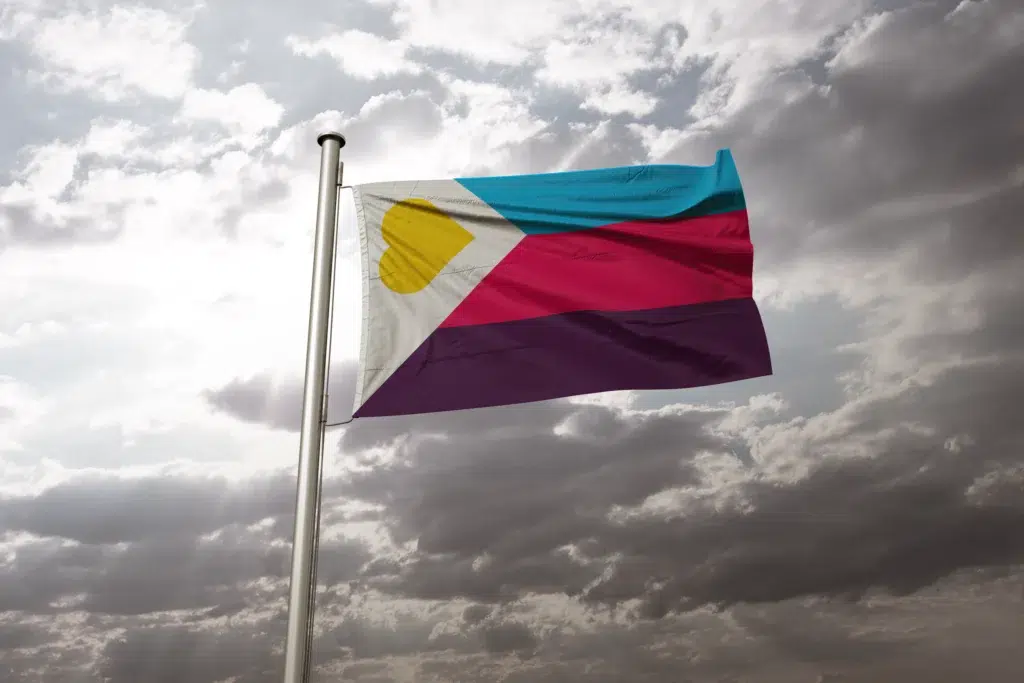
Symbols play a powerful role in how communities express identity, values, and shared experiences. Within consensual non-monogamous communities, visual symbols have helped foster recognition, pride, and solidarity. One of the most recognized of these symbols is the poly flag, a banner that represents polyamory and ethical multi-partner relationships.
- What Is the Polyamory Flag?
- The Origins and History of the Polyamory Flag
- Poly Flag Colors and Their Meanings
- Alternative Polyamory Flags and Modern Redesigns
- The Cultural Significance of the Poly Flag
- Polyamory vs. Other Relationship Identities
- Common Misconceptions About the Poly Flag
- Using the Poly Flag Respectfully
- Polyamory, Identity, and Emotional Ethics
- The Role of Symbols in Relationship Diversity
- Why the Poly Flag Matters
What Is the Polyamory Flag?
The polyamory flag is a visual representation of the polyamorous community — people who engage in or support having multiple consensual romantic relationships at the same time. Like many identity flags, it serves both personal and social purposes: self-expression, visibility, and affirmation.
The poly flag is not just decorative; it is a statement of values such as honesty, consent, emotional responsibility, and freedom of connection.
Unlike national flags, community flags are not fixed forever. They often evolve alongside the people they represent.

The Origins and History of the Polyamory Flag
The most widely known version of the polyamory flag was created in 1995 by Jim Evans, an early advocate for polyamorous visibility. At the time, there were few symbols representing non-monogamous identities, and online communities were still in their infancy.
The goal was simple: to create a recognizable emblem that could foster unity and recognition among people who often felt invisible or misunderstood.
Early Community Reception
As internet forums and discussion boards grew in the late 1990s and early 2000s, the flag gained traction. It appeared in online profiles, event banners, and educational materials related to ethical non-monogamy.
According to sociological research shared by Encyclopaedia Britannica, shared symbols play a critical role in legitimizing emerging social identities.
Poly Flag Colors and Their Meanings
Each element of the traditional flag was intentionally chosen to convey specific ideas.
Blue
Represents openness and honesty among all partners. Transparency is a foundational principle in ethical non-monogamy.
Red
Symbolizes love, passion, and emotional connection — emphasizing that polyamorous relationships are deeply emotional, not purely physical.
Black
Stands for solidarity with those who must keep their relationships private due to social, legal, or professional risks.
The Gold Symbol
Originally depicted as the Greek letter pi (π), representing “poly,” the gold color symbolizes the value placed on emotional connections and ethical conduct.
The symbolism reinforces the core philosophy behind the poly flag: love multiplied, not divided.
Alternative Polyamory Flags and Modern Redesigns
Over time, some members of the community expressed concerns that the original design felt outdated or difficult to recognize at a distance.
Community-Led Redesigns
In response, designers within the community proposed simplified versions featuring:
- Infinity hearts
- Interlocking shapes
- Modern color palettes

The Cultural Significance of the Poly Flag
Flags do more than represent — they validate. For many people practicing polyamory, seeing the flag publicly displayed can be profoundly affirming.
Visibility and Belonging
The flag helps individuals recognize allies and safe spaces, particularly in environments where non-traditional relationships are stigmatized.
Education and Awareness
At pride events, workshops, and academic conferences, the flag often sparks conversations that challenge misconceptions.
The poly flag has become an educational tool as much as a symbol of pride.
Polyamory vs. Other Relationship Identities
It is important to distinguish polyamory from other forms of consensual non-monogamy.
Polyamory
Multiple romantic relationships with emotional involvement and informed consent.
Open Relationships
Typically involve a primary partnership with external sexual connections.
Swinging
Primarily focused on recreational sexual experiences, often without romantic bonds.
The flag specifically represents polyamory, not all non-monogamous structures.
Common Misconceptions About the Poly Flag
“It Promotes Infidelity”
Polyamory is grounded in consent and honesty — the opposite of cheating.
“It Rejects Commitment”
Many polyamorous relationships involve long-term commitments, shared homes, and family structures.
Using the Poly Flag Respectfully
Displaying the flag should be done with understanding and respect.
When It Is Appropriate
- Pride events and educational spaces
- Personal items when identifying as polyamorous
- Supportive advocacy contexts
When to Be Mindful
In regions where non-monogamy is heavily stigmatized, public display can carry risks.
Understanding the deeper meaning behind the poly flag ensures it is used thoughtfully.
Polyamory, Identity, and Emotional Ethics
At its core, polyamory is not about quantity of partners but quality of connection. Emotional ethics, consent, and accountability define the practice.
The flag symbolizes a commitment to these principles rather than a specific lifestyle formula.
The Role of Symbols in Relationship Diversity
Symbols like flags help normalize relationship diversity by making the invisible visible. They encourage dialogue and reduce stigma.
As social understanding grows, the meaning attached to these symbols becomes richer and more nuanced.
Why the Poly Flag Matters
The polyamory flag represents more than relationship structure — it represents honesty, intentional love, and emotional courage.
In a world where love is often constrained by rigid expectations, the values symbolized by the poly flag offer an alternative rooted in transparency and respect.
Understanding its meaning fosters empathy, education, and acceptance — whether or not one personally practices polyamory.