
Pansexual vs Polysexual: Understanding the Differences in Sexual Orientation
18/12/2025

Pansexual vs Polysexua in discussions about sexual orientation, terms like then often appear, sometimes causing confusion. While both identities fall under the LGBTQ+ umbrella and describe attraction to multiple genders, they are distinct in important ways. Understanding these differences is key to fostering inclusion, respect, and accurate representation.
- Defining Pansexuality
- Defining Polysexuality
- Pansexual vs Polysexual: Key Differences
- Common Misconceptions
- Pansexuality, Polysexuality, and Gender Spectrum Awareness
- Pronouns and Respect
- Lived Experiences of Pansexual and Polysexual People
- How to Support Pansexual and Polysexual People
- Understanding Pansexual vs Polysexual
Defining Pansexuality
The term pansexual refers to a sexual orientation characterized by attraction to people regardless of their gender. Pansexual individuals are open to relationships with people of all gender identities, including male, female, nonbinary, and genderqueer individuals.
Key aspects of pansexuality include:
- Attraction is not limited by gender.
- Gender is not a determining factor in whom a person may be attracted to.
- Pansexuality emphasizes inclusivity and fluidity.
Pansexuality is sometimes misunderstood as being “attracted to everyone,” but in reality, attraction is personal and selective, just like any other sexual orientation. Being pansexual vs polysexual does not imply promiscuity; it simply reflects openness to different gender identities.
Resources like the GLSEN – LGBTQ+ Resources provide accurate information about pansexual identity and support for youth and adults.
Defining Polysexuality
Polysexuality describes attraction to multiple, but not all, genders. A polysexual person may be attracted to certain genders but not every possible gender identity. The prefix “poly-” means “many,” reflecting attraction to several genders, but it is more selective than pansexuality.
Key aspects of polysexuality include:
- Attraction to multiple genders.
- Does not encompass attraction to all genders.
- Allows for specificity in the genders someone is drawn to.
Polysexuality is distinct from bisexuality in that it does not necessarily imply attraction to only men and women; rather, it can include any combination of genders that is less than all possible genders.
Understanding polysexuality helps highlight the diversity and nuance of sexual orientation beyond binary frameworks.
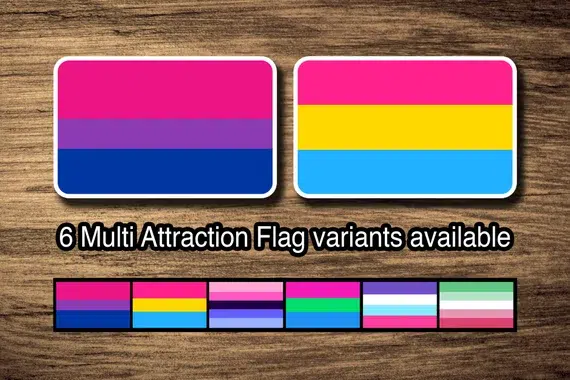
Pansexual vs Polysexual: Key Differences
Although pansexual and polysexual may seem similar, the distinction lies in scope and inclusivity.
| Aspect | Pansexual | Polysexual |
|---|---|---|
| Scope of Attraction | Attracted to all genders | Attracted to multiple, but not all, genders |
| Inclusivity | Broad and inclusive of every gender identity | Selective; does not include every gender |
| Emphasis | Focus on gender-blind attraction | Focus on attraction to many, but specific, genders |
| Relationship to Bisexuality | Distinct from bisexuality, which traditionally refers to attraction to two genders | Can overlap with bisexuality depending on context |
Understanding these distinctions allows allies and community members to use terminology accurately, validating individuals’ lived experiences.
Common Misconceptions
Misconceptions about pansexual and polysexual people can lead to misunderstandings or erasure. Some common myths include:
- Pansexuality and polysexuality mean attraction to everyone indiscriminately.
- These orientations are just “trendy labels.”
- Pansexual or polysexual people cannot be monogamous.
- Polysexual is the same as pansexual.
In reality, both orientations are valid, meaningful identities. Attraction is always selective and personal, and these labels reflect how individuals understand themselves, not behavior or moral character.
Pansexuality, Polysexuality, and Gender Spectrum Awareness
Both pansexuality and polysexuality acknowledge the complexity of gender. Recognizing that attraction can extend beyond binary male-female categories helps challenge traditional assumptions and promotes inclusivity.
In practice, these identities encourage the acknowledgment of nonbinary, genderqueer, agender, and other gender-diverse individuals, fostering understanding of a broader human spectrum.

Pronouns and Respect
Using correct pronouns is essential when supporting pansexual or polysexual individuals. Their sexual orientation is independent of their gender identity, so asking about and respecting pronouns is a vital part of creating an affirming environment.
Common pronouns include:
- He/him
- She/her
- They/them
- Neo-pronouns (e.g., xe/xem)
Respecting pronouns and terminology reflects both accuracy and empathy, which are core to allyship.
Lived Experiences of Pansexual and Polysexual People
People with these identities often describe experiences that include:
- Exploration of attraction beyond traditional gender categories
- Challenges with misunderstanding or erasure in society
- Community and belonging within LGBTQ+ spaces
- Negotiation of labels in dating and relationships
Many find affirmation through education, social support, and connection with others who share similar experiences.
How to Support Pansexual and Polysexual People
Being supportive requires understanding, respect, and open communication. Practical steps include:
- Using the terms individuals prefer to describe themselves
- Listening without judgment
- Avoiding assumptions about gender or attraction
- Educating oneself through reputable sources
Supportive environments enhance mental health, confidence, and social inclusion.
Understanding Pansexual vs Polysexual
In summary, pansexual vs polysexual differences center on scope and inclusivity. Pansexuality embraces attraction to all genders, while polysexuality is selective, including multiple but not all genders. Both identities validate the experiences of people whose attractions do not fit within traditional gender binaries.
Learning about these distinctions promotes understanding, inclusivity, and respect. Using accurate terminology and fostering open, empathetic conversations ensures that pansexual and polysexual individuals feel recognized and supported.