
How to Create or Strengthen a Local Support Group for Intersex People
27/01/2026
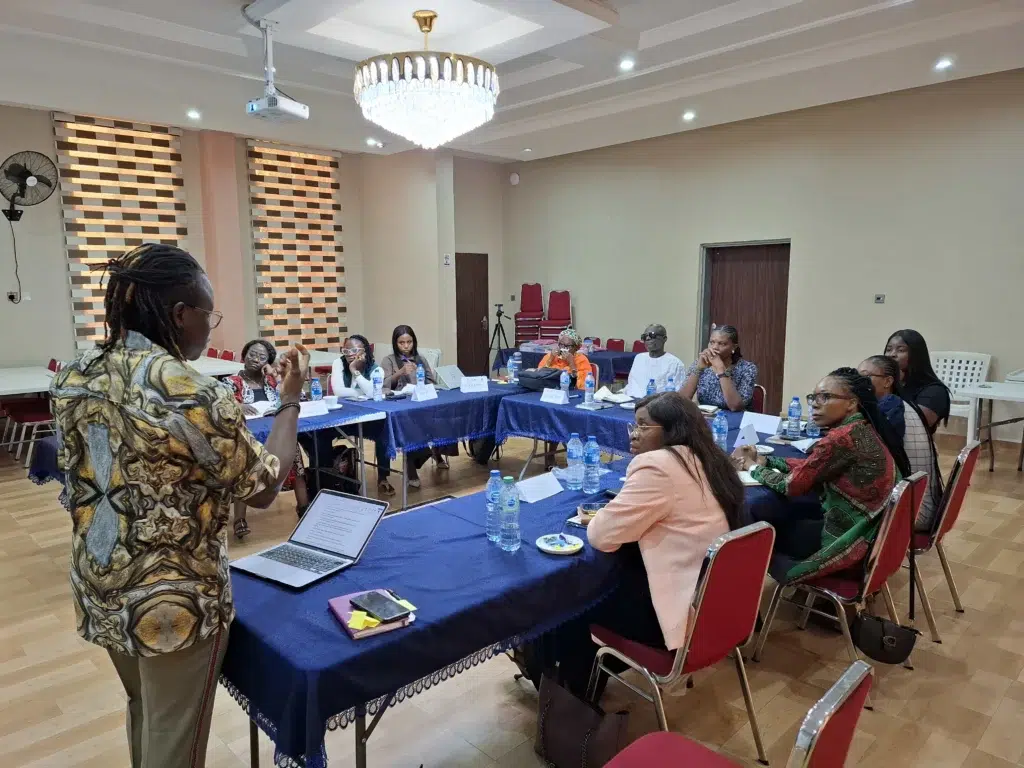
Community connection can be life-changing, especially for people whose identities and experiences are often misunderstood or marginalized. For intersex individuals and their families, finding safe, affirming spaces is essential for emotional wellbeing, access to information, and collective empowerment.
This guide explores how to create or strengthen a Local Support Group for intersex people, focusing on sustainability, trust, inclusivity, and ethical leadership. Whether you are starting from scratch or improving an existing initiative, this article provides practical, experience-based guidance grounded in community care.
- Why Local Support Groups Matter for Intersex Communities
- Understanding the Purpose of a Local Support Group
- Step 1: Assess Community Needs and Readiness
- Step 2: Establish Core Values and Ethical Guidelines
- Step 3: Decide on Structure and Format
- Step 4: Leadership and Facilitation Roles
- Step 5: Creating Safe and Accessible Spaces
- Step 6: Outreach Without Exploitation
- Step 7: Sustaining the Group Over Time
- Strengthening an Existing Local Support Group
- The Role of Advocacy and Education
- Challenges and How to Address Them
- Final Thoughts: Community as Care
Why Local Support Groups Matter for Intersex Communities
Intersex people often face isolation due to stigma, lack of public awareness, and limited access to specialized healthcare or psychosocial support. While online spaces are valuable, local, in-person or regionally focused groups offer unique benefits.
A strong Local Support Group can:
- Create a sense of belonging and shared understanding
- Offer peer-led emotional support
- Facilitate access to trusted medical and mental health resources
- Empower advocacy and community education
Research and advocacy organizations such as InterACT and Intersex Human Rights Australia emphasize the importance of community-led spaces that center lived experience.
Understanding the Purpose of a Local Support Group
Before creating or strengthening a group, it is crucial to define its purpose clearly. Not all support groups serve the same role, and clarity helps manage expectations.
Possible Group Focus Areas
- Peer emotional support
- Education and information sharing
- Family and caregiver support
- Youth or adult-focused spaces
- Advocacy and community outreach
A well-defined Local Support Group does not need to do everything. In fact, focusing on a specific need often leads to stronger trust and participation.

Step 1: Assess Community Needs and Readiness
Successful groups are built around real needs, not assumptions. Begin by listening.
Ways to Assess Local Interest
- Informal conversations with intersex individuals or families
- Anonymous online surveys
- Outreach through clinics, counselors, or advocacy organizations
Questions to explore include:
- What kind of support is currently missing?
- What barriers exist to participation?
- What safety concerns should be addressed?
This groundwork ensures your Local Support Group responds to genuine community needs rather than replicating existing efforts.
Step 2: Establish Core Values and Ethical Guidelines
Trust is the foundation of any support group, especially in communities affected by medical trauma, secrecy, or discrimination.
Key Principles to Define Early
- Confidentiality and privacy
- Respect for self-identification
- Non-judgmental listening
- Consent-based sharing
Many intersex advocacy organizations recommend written community agreements.
Clear values protect participants and strengthen the credibility of the Local Support Group.
Step 3: Decide on Structure and Format
Support groups can take many forms. There is no single “correct” model.
Common Formats
- In-person meetings (monthly or quarterly)
- Hybrid meetings (in-person with online access)
- Region-specific online groups
- Facilitated peer circles
When choosing a format, consider accessibility, transportation, privacy, and participant comfort.
A flexible structure allows your Local Support Group to evolve as participation grows.
Step 4: Leadership and Facilitation Roles
Effective leadership does not mean control. In support groups, facilitators serve as guides, not authorities.
Characteristics of Healthy Facilitation
- Active listening skills
- Ability to manage group dynamics
- Commitment to ongoing learning
- Willingness to step back when needed
Whenever possible, leadership should include intersex individuals. This reinforces authenticity and trust within the Local Support Group.
Step 5: Creating Safe and Accessible Spaces
Safety is both physical and emotional.
Accessibility Considerations
- Wheelchair-accessible locations
- Gender-neutral restrooms
- Clear meeting agendas
- Options for anonymous participation
Accessibility communicates respect and inclusion, strengthening long-term engagement with your Local Support Group.
Step 6: Outreach Without Exploitation
Outreach is necessary, but it must be done ethically.
Responsible Outreach Channels
- Healthcare providers familiar with intersex care
- Mental health professionals
- Trusted advocacy organizations
- Word-of-mouth within the community
Avoid sensational language or public exposure that could compromise participant privacy. The goal is connection, not visibility for its own sake.
Ethical outreach strengthens the reputation of your Local Support Group.
Step 7: Sustaining the Group Over Time
Many groups start strong but struggle with sustainability. Planning ahead helps prevent burnout.
Sustainability Strategies
- Shared leadership responsibilities
- Regular check-ins with participants
- Clear boundaries for facilitators
- Periodic evaluation of group goals
A sustainable Local Support Group adapts without losing its core mission.
Strengthening an Existing Local Support Group
If a group already exists, strengthening it may involve reflection rather than expansion.
Questions for Growth
- Are participants feeling heard?
- Do group norms still serve the community?
- Is leadership inclusive and transparent?
Inviting feedback and responding with humility builds trust and longevity.

The Role of Advocacy and Education
While not all groups focus on advocacy, many choose to engage in education once a strong support foundation is established.
This may include:
- Workshops for healthcare providers
- School or community presentations
- Collaboration with human rights organizations
Advocacy should always be optional and participant-led within a Local Support Group.
Challenges and How to Address Them
Every group encounters challenges.
Common Issues
- Low attendance
- Conflicting needs among participants
- Emotional burnout
Addressing these openly and compassionately prevents long-term harm and reinforces group integrity.
Final Thoughts: Community as Care
Creating or strengthening a Local Support Group for intersex people is not just an organizational task—it is an act of care. When done thoughtfully, it offers connection, validation, and empowerment.
By centering lived experience, ethical leadership, and respect for diversity, local groups become spaces where healing and resilience can grow.
Community does not eliminate challenges, but it ensures no one has to face them alone.