
How to Interpret Your Hormone Results: A Simple Guide for People with AIS
27/01/2026 · Updated on: 27/01/2026

Receiving lab reports can be overwhelming, especially when medical language feels complex or disconnected from lived experience. For people with Androgen Insensitivity Syndrome (AIS), understanding lab values is not just a clinical task—it is a step toward autonomy, informed decision-making, and self-advocacy.
This article offers a clear and accessible guide to understanding Hormone Results in the context of AIS. It is designed for patients, caregivers, and anyone seeking to better understand what hormone levels may indicate, without replacing professional medical advice.
- Why Understanding Hormone Results Matters in AIS
- Important Context: Lab Results Are Not the Whole Story
- Common Hormones Measured in AIS
- Understanding Reference Ranges
- Patterns Over Time: Why Trends Matter More Than Single Tests
- Hormone Results and Different Types of AIS
- When Hormone Results Prompt Further Discussion
- Hormone Therapy and Lab Monitoring
- Emotional Impact of Lab Results
- Questions to Ask Your Healthcare Provider
- Building Health Literacy as an AIS Patient
- Final Thoughts: Knowledge as Empowerment
Why Understanding Hormone Results Matters in AIS
AIS is a variation in sex development in which the body does not respond fully or typically to androgens. Because hormones play a central role in diagnosis, monitoring, and long-term care, lab tests are often part of ongoing medical follow-up.
Understanding your Hormone Results can help you:
- Participate actively in healthcare decisions
- Prepare meaningful questions for medical appointments
- Reduce anxiety around lab reports
- Recognize patterns over time
Knowledge does not replace clinicians, but it empowers patients.
Important Context: Lab Results Are Not the Whole Story
Before reviewing specific hormones, it is essential to understand one key principle: lab values never exist in isolation.
Hormone Results must always be interpreted alongside:
- Physical development
- Age and pubertal stage
- Type of AIS (complete, partial, or mild)
- Medical history and current treatments
Reference ranges can vary between laboratories, and many are based on binary sex models that do not fully account for intersex variations.
Common Hormones Measured in AIS
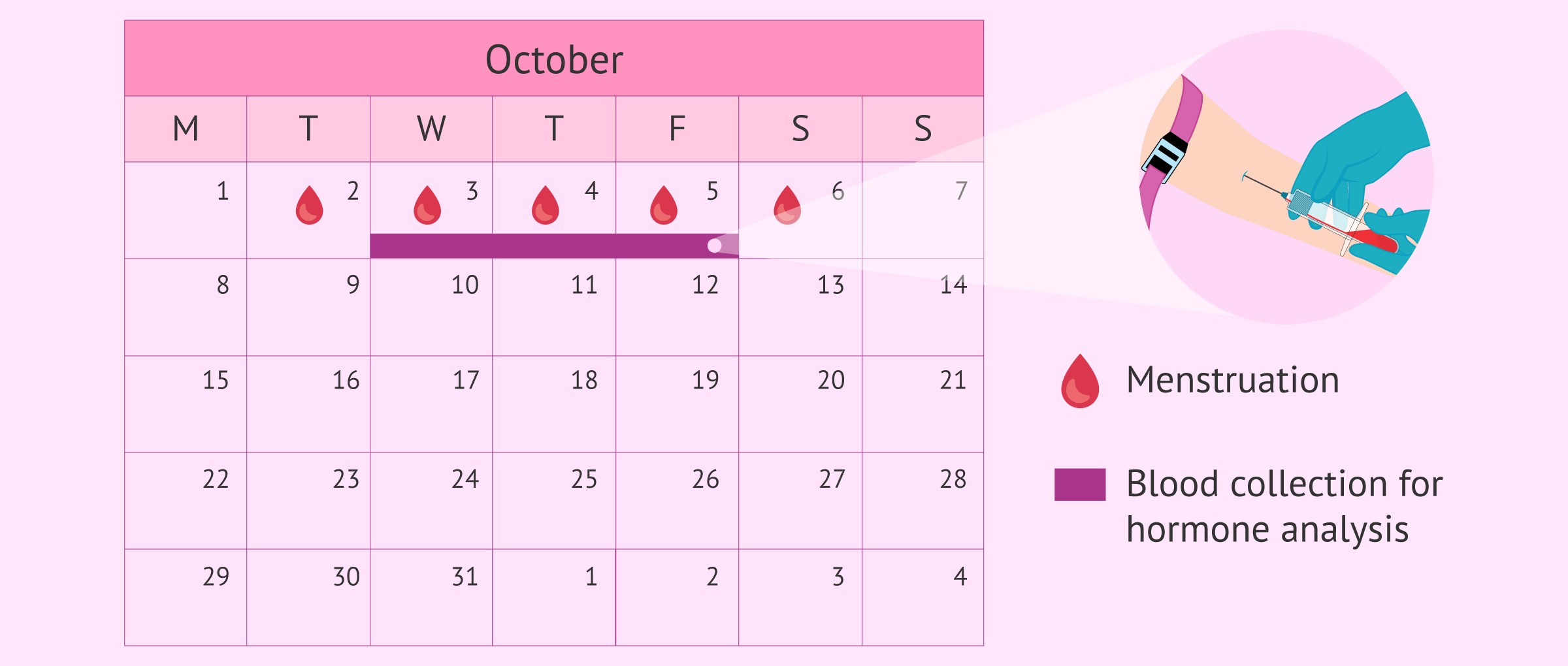
People with AIS may encounter several recurring hormone markers. Below is an overview of the most commonly tested hormones and what they generally represent.
Testosterone
Testosterone is often a central focus in AIS-related testing.
In many people with AIS, testosterone levels may fall within typical male reference ranges, even though the body cannot respond to it fully or at all.
Key points to understand:
- High testosterone does not necessarily mean high androgen effect
- Androgen receptor function is critical
- Symptoms depend on sensitivity, not just quantity
This is why Hormone Results must be interpreted in functional context.
Estradiol (Estrogen)
Estradiol is produced through the conversion (aromatization) of testosterone.
In individuals with AIS, estradiol often plays a significant role in:
- Breast development
- Bone health
- Cardiovascular protection
Estradiol levels may appear similar to typical female ranges, particularly in people with complete AIS.
Luteinizing Hormone (LH)
LH is released by the pituitary gland and signals the gonads to produce hormones.
In AIS, LH levels are often elevated because the body senses a lack of androgen effect and attempts to compensate.
Elevated LH in Hormone Results does not automatically indicate pathology—it often reflects feedback loop dynamics.
Follicle-Stimulating Hormone (FSH)
FSH works alongside LH and may be measured to assess gonadal function.
FSH levels can vary widely depending on age, gonadal status, and medical history.
Sex Hormone-Binding Globulin (SHBG)
SHBG binds to sex hormones and affects how much is biologically available.
Higher SHBG levels may reduce free testosterone or estradiol, influencing symptoms even when total levels appear normal.
Understanding Reference Ranges
One of the most confusing aspects of Hormone Results is reference ranges.
Why Reference Ranges Can Be Misleading
- Often binary (male/female)
- Based on population averages
- Do not account for AIS physiology
A value marked as “high” or “low” may be expected and non-problematic in AIS.
Endocrinology organizations such as the Endocrine Society emphasize individualized interpretation over strict numerical cutoffs.
Patterns Over Time: Why Trends Matter More Than Single Tests
Single lab results offer a snapshot. Trends tell a story.
Tracking Hormone Results over time can reveal:
- Stability or change
- Effects of hormone therapy
- Age-related shifts
Keeping personal records can be extremely helpful during consultations.
Hormone Results and Different Types of AIS
Complete AIS (CAIS)
People with CAIS often show:
- Typical or high testosterone
- Effective estrogen conversion
- Elevated LH
These patterns are usually expected and not inherently concerning.

Partial AIS (PAIS)
PAIS presents more variability.
Hormone Results may correlate more closely with physical traits, but interpretation remains complex.
Mild AIS (MAIS)
In MAIS, hormone levels may appear “normal,” while symptoms relate to subtle receptor differences.
When Hormone Results Prompt Further Discussion
Some situations warrant closer attention:
- Unexpected changes over time
- Symptoms that do not align with lab values
- Concerns about bone density or energy levels
These do not automatically signal a problem but are reasons for informed discussion with a specialist.
Hormone Therapy and Lab Monitoring
Some people with AIS use hormone therapy, while others do not.
When therapy is involved, Hormone Results are used to:
- Adjust dosage
- Monitor safety
- Support long-term health goals
Monitoring should always be individualized.
Emotional Impact of Lab Results
Numbers can trigger anxiety, especially when misunderstood.
It is normal to feel overwhelmed when reviewing medical data. Supportive counseling and patient-centered care models emphasize emotional wellbeing alongside physical health.
Questions to Ask Your Healthcare Provider
Being prepared can transform appointments.
- What trends do you see in my results?
- How do these values relate to my AIS type?
- Are there functional indicators beyond numbers?
Understanding your Hormone Results is a collaborative process.
Building Health Literacy as an AIS Patient
Health literacy is not about becoming a doctor—it is about understanding your own body.
Over time, familiarity with Hormone Results can reduce fear and increase confidence.
.
Final Thoughts: Knowledge as Empowerment
Interpreting lab data can feel intimidating, but it does not have to be. For people with AIS, understanding Hormone Results is a powerful step toward self-advocacy and informed care.
Numbers gain meaning when paired with context, compassion, and communication. By approaching lab results as tools rather than verdicts, individuals with AIS can engage with healthcare on their own terms.
Your body is not defined by a reference range—and your health journey deserves clarity and respect.