
Crossing Identities: When Agender Identity, Intersexuality, and Open Relationships Intersect
12/11/2025 · Updated on: 30/11/2025
- Table of Contents
- Introduction
- Understanding Agender Identity
- What Is Intersexuality?
- Breaking Boundaries: Open Relationships and Intimacy
- Where These Identities Intersect
- Psychological and Social Challenges
- Communication, Consent, and Support
- Media Representation and Visibility
- Community Voices and Real Stories
- Creating Inclusive Spaces
- Embracing Intersectional Realities
Table of Contents
- Introduction
- Understanding Agender Identity
- What Is Intersexuality?
- Breaking Boundaries: Open Relationships and Intimacy
- Where These Identities Intersect
- Psychological and Social Challenges
- Communication, Consent, and Support
- Media Representation and Visibility
- Community Voices and Real Stories
- Creating Inclusive Spaces
- Conclusion: Embracing Intersectional Realities
Introduction
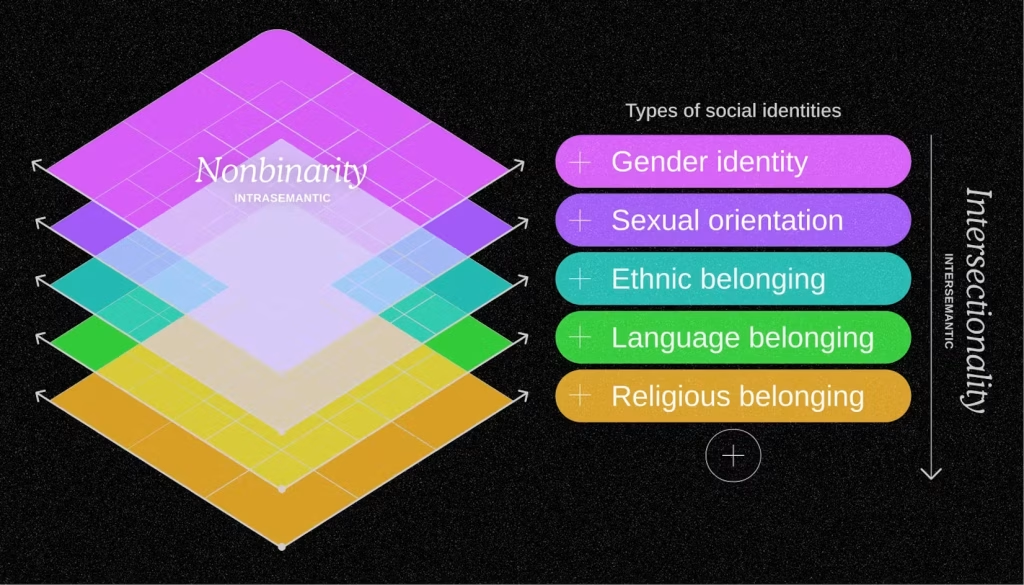
Human identity is rarely a single, fixed element. It is a mosaic — shaped by gender, biology, culture, and the ways we choose to love. The phrase “Crossing Identities: When Agender Identity, Intersexuality, and Open Relationships Intersect” captures the complexity of lives that exist beyond binary definitions.
In this article, we’ll explore how these identities intersect, why they matter, and how people navigating these realities are reshaping conversations about intimacy, belonging, and authenticity.
For additional context about intersex awareness and advocacy, visit the Androgen Insensitivity Syndrome Support Group (AISSG), a key organization offering education and resources for intersex individuals and allies.
Understanding Agender Identity
The agender identity represents people who do not identify with any gender. Some describe themselves as “without gender,” while others see their identity as existing outside the traditional spectrum entirely.
Agender individuals may use pronouns such as they/them, he/they, she/they, or others that feel authentic. The agender flag, with its black, gray, white, and green stripes, symbolizes this rejection of gender categories and the diversity of experiences within the community.
Agender identities challenge assumptions about how gender is tied to biology or presentation. In fact, gender identity is a deeply personal and internal experience — something not defined by physical traits or societal expectations.
For more detailed resources about nonbinary and agender identities, organizations such as GLAAD provide educational materials and advocacy initiatives.
What Is Intersexuality?
Intersexuality refers to people born with biological characteristics (chromosomes, gonads, hormones, or genitalia) that do not fit typical definitions of male or female. There are many intersex variations — such as Androgen Insensitivity Syndrome (AIS), Klinefelter Syndrome, or Congenital Adrenal Hyperplasia — each with different biological traits and lived experiences.
Historically, intersex individuals have faced medical normalization surgeries and social stigma aimed at forcing them into binary categories. However, global movements now emphasize bodily autonomy and the right to self-identify.
Intersex does not necessarily determine one’s gender identity. Some intersex people identify as male or female, while others identify as nonbinary, agender, or fluid. The diversity within intersex experiences is a vital part of understanding human biology and gender diversity.
You can learn more about intersex variations and advocacy through organizations like InterACT Advocates for Intersex Youth.
Breaking Boundaries: Open Relationships and Intimacy
An open relationship refers to a consensual agreement between partners that allows romantic or sexual connections with others. This relationship model prioritizes communication, honesty, and respect for autonomy, rather than rigid exclusivity.
Open and polyamorous relationships are becoming more visible, especially among people whose identities already challenge norms — including those who are intersex or agender. These communities often value authentic self-expression and freedom from traditional gender or relational expectations.
For instance, some people with intersex variations may feel more comfortable in open dynamics where intimacy is negotiated rather than assumed. Similarly, agender individuals might find open relationships affirming because these structures allow for personalized expressions of love and attraction, independent of gender roles.
Where These Identities Intersect
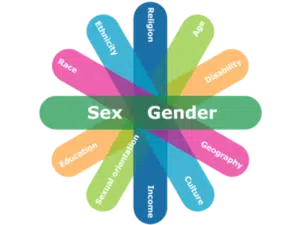
When agender identity, intersexuality, and open relationships intersect, they create a powerful lens for understanding human diversity. Each challenges binary thinking — about gender, sex, and monogamy — and invites more flexible, authentic forms of connection.
1. Beyond Gendered Expectations
Agender and intersex individuals often resist being categorized as “male” or “female.” In open relationships, similar resistance exists toward the idea of a single, “correct” form of partnership. These shared values highlight a rejection of rigid norms and embrace of personal truth.
2. Body Autonomy and Self-Definition
Intersex individuals have historically fought for the right to define their own bodies. This same principle of autonomy underpins open relationships — where consent and communication guide every decision.
3. Emotional Complexity
Navigating multiple forms of marginalization can be emotionally demanding. Yet many find strength in building supportive networks and redefining intimacy as a shared journey rather than a fixed identity.

While empowering, these intersecting identities come with challenges that require awareness and compassion.
- Social Misunderstanding: Society still operates largely within binary gender and monogamous norms. This can lead to alienation, microaggressions, or even rejection from both mainstream and queer communities.
- Medical and Legal Barriers: Intersex people often face limited healthcare options or documentation that doesn’t reflect their gender identity. For those in open relationships, legal systems may fail to recognize multiple partners, affecting rights like healthcare access or parental recognition.
- Internal Conflict: Internalized stigma can cause individuals to doubt their validity or struggle with identity coherence. Psychological support and community connections can help mitigate these challenges.
- Intersectional Discrimination: Someone who is intersex, agender, and part of a nontraditional relationship structure may face compounded biases — each identity misunderstood or invalidated in unique ways.
Therapists and counselors specializing in gender diversity and relationship ethics can offer critical support for those managing these layered experiences.
Communication, Consent, and Support
Healthy open relationships rely on clear communication and strong emotional boundaries. This becomes even more essential when partners have diverse gender or intersex identities.
- Communicate needs and boundaries early and often.
- Establish consent as an ongoing process, not a one-time agreement.
- Respect each person’s identity, pronouns, and comfort levels.
- Build a shared vocabulary around intimacy and trust.
Support networks — whether online or in-person — also play a vital role. The Polyamory Society and local LGBTQIA+ centers often provide resources that validate and empower nontraditional relationships.
Media Representation and Visibility
Representation of intersex and agender individuals remains limited, especially within mainstream media depictions of romance and relationships. Too often, these stories are portrayed as medical or moral “issues” rather than authentic human experiences.
However, visibility is slowly improving. Independent creators, writers, and activists are using platforms like YouTube, TikTok, and podcasts to share personal stories about living at these intersections. These narratives not only normalize diverse experiences but also offer educational value and emotional validation for those who rarely see themselves represented.
Including searchable phrases like “intersex visibility,” “agender identity explained,” or “open relationship communication” helps boost discoverability for educational readers seeking inclusive perspectives.
Community Voices and Real Stories
One of the most effective ways to understand these intersections is through first-person experiences.
- Alex, an agender person with Partial AIS, describes feeling liberated when discovering polyamory. “It let me define intimacy on my own terms — not by what society thinks my body or gender should mean.”
- Jamie and Rin, partners in an open relationship, share how their communication deepened through acknowledging identity differences. “It wasn’t about being perfect; it was about being honest.”
- Sasha, who identifies as both intersex and agender, uses online forums to connect with others who share similar intersections. “Knowing I’m not alone changes everything.”
These voices emphasize that identity is not static — it’s a continual process of discovery, community, and self-acceptance.
Creating Inclusive Spaces
For organizations, allies, and educators, creating spaces where these intersecting identities are respected is vital. Some strategies include:
- Use Inclusive Language: Avoid assumptions about gender, anatomy, or relationship structure.
- Offer Gender-Neutral Facilities: Bathrooms, changing rooms, and healthcare forms should reflect diversity.
- Center Intersectionality: Policies and advocacy must acknowledge how multiple identities overlap, rather than addressing them separately.
- Train Staff and Volunteers: Education reduces bias and fosters empathy.
- Promote Representation: Feature intersex, agender, and polyamorous voices in organizational materials, media, and leadership.
Inclusivity is not merely symbolic — it directly impacts wellbeing, safety, and belonging.
Embracing Intersectional Realities
The phrase “Crossing Identities: When Agender Identity, Intersexuality, and Open Relationships Intersect” is more than a title — it’s an invitation to rethink the limits of gender, love, and selfhood.
By understanding these intersections, we move toward a society that honors individuality rather than conformity. Each person deserves to define their own identity and shape relationships that reflect authenticity, respect, and joy.
As awareness grows and conversations continue, the hope is that no one has to choose between parts of themselves — because the beauty of human experience lies precisely in its diversity and intersection.