
🏥 Medical Perspectives on Intersex Genitalia Variations: The Importance of Informed Consent 🧑⚕️
19/10/2024 · Updated on: 30/11/2025
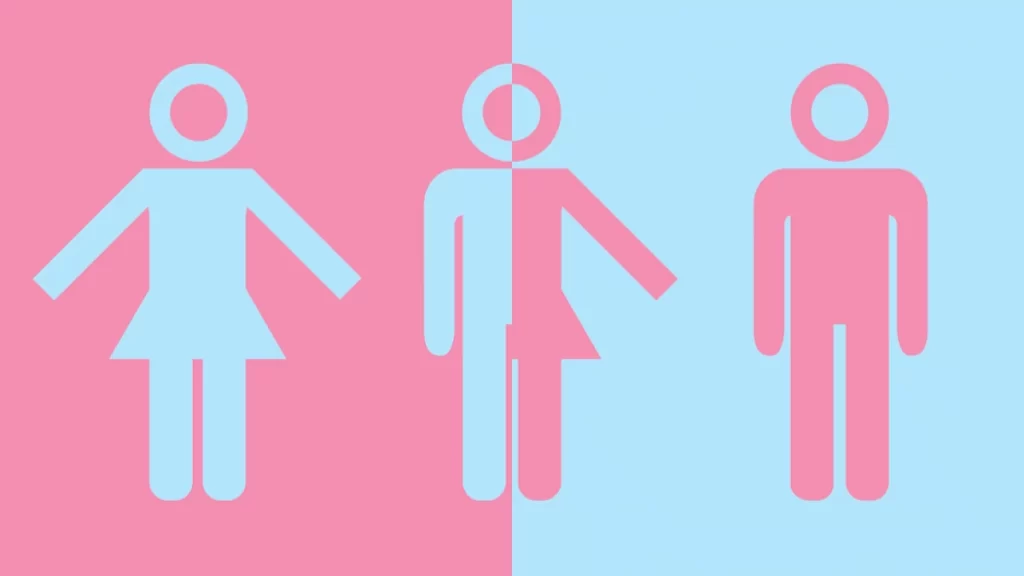
- 🏥 Medical Perspectives on Intersex Genitalia Variations: The Importance of Informed Consent 🧑⚕️
- 1. Understanding Intersex Genitalia Variations 🧬
- 2. Medical Approaches to Intersex Genitalia: A Controversial History ⚖️
- 3. The Shift Toward Informed Consent: A Human Rights Issue ✊
- 4. The Role of Parents in Medical Decisions 👨👩👧
- 5. Bodily Autonomy: Respecting Intersex Individuals’ Rights 🔓
- 6. Medical Interventions: When Are They Necessary? 🩺
- 7. Psychological Impact of Early Surgeries: Lifelong Consequences 🧠
- 8. Advocacy for Intersex Rights: A Global Movement 🌍
- FAQs: Medical Perspectives on Intersex Genitalia and Informed Consent 🩺
- 1. What are intersex genitalia variations?
- 2. Why is informed consent important for intersex individuals?
- 3. Should surgery be performed on intersex infants?
- 4. What are the risks of early medical interventions?
- 5. How can parents make informed decisions for intersex children?
- 6. Are there cases where medical intervention is necessary for intersex individuals?
🏥 Medical Perspectives on Intersex Genitalia Variations: The Importance of Informed Consent 🧑⚕️
Intersex genitalia variations, often misunderstood and subject to controversy, highlight important discussions in the medical field about bodily autonomy, ethics, and the right to informed consent. Medical decisions regarding intersex individuals can have profound, lifelong effects, and historically, many of these decisions have been made without proper input from the individuals affected.
In this article, we explore the medical perspectives on intersex genitalia variations, the history of medical interventions, and most importantly, why informed consent is crucial to the ethical treatment of intersex people. Let’s dive into the medical, ethical, and human rights dimensions of these important issues. 🌈

1. Understanding Intersex Genitalia Variations 🧬
Intersex individuals are born with biological traits—including genitalia, hormones, or chromosomes—that don’t fit typical definitions of male or female. These traits may manifest as ambiguous genitalia, or a combination of both male and female reproductive structures. The term intersex encompasses a broad range of natural variations, including conditions like:
- Androgen Insensitivity Syndrome (AIS)
- Congenital Adrenal Hyperplasia (CAH)
- Klinefelter Syndrome
- Turner Syndrome
Intersex traits can be noticed at birth, during puberty, or may not be identified until later in life. The key point is that intersex is a natural biological variation, not a medical problem that needs immediate correction.
💡 Key Insight: Approximately 1 in 1,500 to 1 in 2,000 people are born with intersex traits, making it as common as being born with red hair.
2. Medical Approaches to Intersex Genitalia: A Controversial History ⚖️
Historically, medical interventions on intersex genitalia were driven by the idea of “normalizing” the appearance of a child’s genitalia to fit typical male or female standards. Surgeries and hormone treatments were often performed on intersex infants and young children without their consent.
These procedures, known as "normalization surgeries," were designed to make intersex individuals conform to societal expectations of male and female bodies. However, they have come under intense scrutiny for several reasons:
- Lack of informed consent: Since these surgeries are often performed on infants or young children, the individuals affected have no say in what happens to their bodies.
- Risk of physical and psychological harm: These procedures can lead to loss of sensation, sexual dysfunction, chronic pain, and emotional trauma. Many intersex adults report lifelong negative effects from surgeries they had no say in.
- Unnecessary medicalization: In many cases, intersex genitalia variations are not medically dangerous and do not require surgical intervention to maintain health.
💡 Why This Matters: Medical decisions made in infancy or early childhood without the individual’s consent can have far-reaching consequences for their physical and mental health.
3. The Shift Toward Informed Consent: A Human Rights Issue ✊
In recent years, there has been a paradigm shift in how medical professionals and advocacy groups approach intersex treatment. Increasingly, there is recognition that bodily autonomy and informed consent must be at the forefront of any medical decisions regarding intersex individuals.
Informed consent means that an individual has the right to fully understand the medical procedures being proposed, the risks involved, and the alternatives available before making a decision. For intersex individuals, this means waiting until they are old enough to actively participate in decisions about their bodies, rather than having these decisions made for them in infancy.
💡 Key Insight: International organizations like the United Nations and World Health Organization have called for an end to unnecessary surgeries on intersex infants and stressed the importance of respecting the rights of intersex individuals.
4. The Role of Parents in Medical Decisions 👨👩👧
Parents of intersex children are often placed in a difficult position when faced with the prospect of their child having atypical genitalia. Medical professionals may present surgery as an urgent solution to "fix" their child’s body, leaving parents to navigate confusing, emotionally charged decisions.
However, parents should be empowered to ask questions and make informed choices. They should be fully aware that delaying surgery until the child is old enough to participate in decision-making is a valid option, one that prioritizes the child’s bodily autonomy and future well-being.
💡 Pro Tip: Parents should seek medical professionals who adopt a non-interventionist approach, focusing on support rather than rushing into irreversible decisions.

5. Bodily Autonomy: Respecting Intersex Individuals’ Rights 🔓
One of the core principles behind the call for informed consent is the idea of bodily autonomy—the right of every person to make decisions about their own body without coercion or pressure from others. For intersex individuals, respecting bodily autonomy means:
- Delaying non-essential surgeries until the individual can make an informed decision.
- Providing unbiased, accurate information about intersex traits and possible treatment options.
- Acknowledging that intersex traits are natural variations, not conditions that need to be "fixed."
💡 Why It’s Crucial: Bodily autonomy is a fundamental human right. By respecting an intersex person’s right to make decisions about their own body, we affirm their dignity and agency.
6. Medical Interventions: When Are They Necessary? 🩺
While many intersex traits do not pose immediate health risks, there are some cases where medical intervention may be necessary. For example:
- Urinary or reproductive complications: Some intersex conditions may result in health issues such as obstructed urinary tracts or reproductive system problems that could require medical attention.
- Hormonal imbalances: Some intersex individuals may require hormonal support for healthy development, particularly during puberty.
However, these medical interventions should be focused on functionality and health rather than appearance. Even when medical care is required, it’s essential that informed consent is obtained, and that decisions are made with the individual’s long-term health and well-being in mind.
💡 Pro Tip: Medical treatments should prioritize health and functionality over aesthetic or societal expectations about how bodies should look.
7. Psychological Impact of Early Surgeries: Lifelong Consequences 🧠
Research shows that many intersex individuals who undergo surgeries as infants or children face significant psychological consequences later in life. These can include:
- Body dysmorphia: Feeling disconnected from one’s body due to irreversible surgeries.
- Sexual dysfunction: Surgeries can lead to a loss of sensation or difficulties in sexual functioning.
- Trauma and depression: Feeling violated by decisions made about their body without their consent.
These psychological impacts underscore the importance of delaying irreversible procedures until the individual can make informed choices about their body.
💡 Takeaway: The long-term psychological well-being of intersex individuals must be considered, and their voices should be at the center of any medical decisions regarding their bodies.

8. Advocacy for Intersex Rights: A Global Movement 🌍
Advocacy groups and organizations worldwide are working tirelessly to bring attention to the human rights of intersex individuals. Intersex activists are pushing for an end to non-consensual surgeries and for the recognition that intersex bodies are not medical problems to be "fixed."
Organizations like InterACT, OII (Organisation Intersex International), and Human Rights Watch advocate for policies that promote informed consent, bodily autonomy, and the protection of intersex individuals from unnecessary medical interventions.
💡 Pro Tip: Supporting intersex rights means advocating for policies that protect intersex children from unnecessary surgeries and ensuring that their voices are heard.
FAQs: Medical Perspectives on Intersex Genitalia and Informed Consent 🩺
1. What are intersex genitalia variations?
Intersex genitalia variations refer to biological traits where an individual’s genitals, chromosomes, or reproductive organs don’t fit typical definitions of male or female. These variations are natural and occur in about 1 in 1,500 to 1 in 2,000 births.
2. Why is informed consent important for intersex individuals?
Informed consent allows intersex individuals to fully understand the risks, benefits, and alternatives to medical interventions before making decisions about their bodies. It’s essential in respecting their bodily autonomy and ensuring ethical treatment.
3. Should surgery be performed on intersex infants?
Many advocates and medical professionals argue against performing unnecessary surgeries on intersex infants. Instead, they recommend waiting until the individual is old enough to make informed decisions about their own body.
4. What are the risks of early medical interventions?
Early medical interventions, such as surgeries performed without consent, can result in physical complications like loss of sensation, as well as psychological effects such as trauma, depression, and body dysmorphia.
5. How can parents make informed decisions for intersex children?
Parents should seek out non-interventionist medical professionals, gather comprehensive information, and consider delaying any irreversible procedures until their child can actively participate in the decision-making process.
6. Are there cases where medical intervention is necessary for intersex individuals?
In some cases, medical intervention may be necessary for functional health issues, such as urinary complications or hormonal imbalances. These interventions should focus on the individual’s health rather than conforming to societal norms about gender appearance.
Conclusion 🌟
The medical treatment of intersex individuals has come a long way, but the importance of informed consent and bodily autonomy cannot be overstated. By respecting the rights of intersex individuals to make decisions about their own bodies, we promote dignity, health, and well-being.
It’s time for the medical community and society at large to move away from outdated practices of “normalizing” intersex bodies and toward a future where all individuals can make informed, autonomous choices about their own health. 💪🏽