
🌈 Understanding Agender identity: Meaning, Pronouns, and How It Differs from Non-Binary 💬
19/10/2024 · Updated on: 17/02/2026

🌟 Agender: Meaning, Pronouns, and How It Differs from Non-Binary 🌟
In an increasingly inclusive world, the language around gender is evolving, and with it, the understanding of identities like agender. People who identify as agender exist beyond the conventional male-female binary, challenging societal assumptions about what gender is and how it should be expressed.
But what exactly does it mean to be agender, how does it differ from other non-binary identities, and what pronouns or names do agender individuals prefer? Let’s explore the rich and nuanced world of agender identity and offer insights into how to respectfully acknowledge and support agender people.
1. What Does Agender Mean? 🧑🤝🧑
At its core, being agender means identifying as without a gender. Agender individuals often feel as though they don’t align with any gender, whether male, female, or any point in between. This doesn’t mean they reject gender; instead, they feel disconnected from the concept of gender entirely.
The prefix “a-” means “without,” so agender literally translates to “without gender.” This lack of gender identity is different from identifying as both or multiple genders, like some other non-binary people might. Agender individuals may feel completely neutral about gender, with no internal sense of belonging to any category.
💡 Key Insight: Agender people often describe their experience as a feeling of being ungendered or gender-neutral, not conforming to any of the traditional gender roles or identities.
2. Pronouns for Agender People: What to Use? 💬
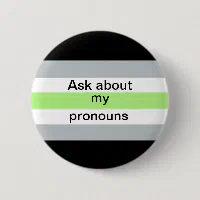
When it comes to pronouns, agender individuals might prefer a range of different options, depending on what makes them feel comfortable and affirmed in their identity. Since being agender means not identifying with any gender, many agender people use gender-neutral pronouns.
Here are some common pronoun choices for agender individuals:
- They/Them: This is the most commonly used gender-neutral pronoun and widely accepted in many places. For example, “They went to the store, and I helped them carry their groceries.”
- Xe/Xem: Some agender people prefer neo-pronouns like xe/xem, which were created specifically to avoid gendered language. For example, “Xe gave me their number so I can text xem later.”
- He/She: While less common, some agender individuals might still use he/him or she/her pronouns based on personal preference or comfort. It’s essential to respect the pronouns an agender person requests, even if they seem gendered.
One crucial aspect of respecting agender identity is using correct agender pronouns.
💡 Pro Tip: Always ask someone for their preferred pronouns if you’re unsure. It’s a sign of respect and ensures you address them in a way that makes them feel seen.
3. Agender vs. Non-Binary: What's the Difference? ⚖️
The terms agender and non-binary are often used in similar contexts, but they don’t mean the same thing. While both identities fall outside the traditional male/female binary, there are key distinctions.
- Non-binary is an umbrella term for anyone whose gender identity doesn’t fit within the strictly male or female categories. Non-binary people might identify as both male and female, somewhere between, or outside of the binary altogether.
- Agender, on the other hand, specifically refers to having no gender at all. While all agender people are non-binary, not all non-binary people are agender. Some non-binary people feel connected to both male and female energies or to a fluid gender experience, whereas agender individuals don’t feel a connection to gender.
💡 Why This Matters: Understanding these subtle differences helps foster greater inclusivity and ensures we respect each person’s unique experience of their gender identity.
4. Agender and the Concept of “Personen” 👤
In some cultures and languages, there is a growing recognition of gender-neutral language to refer to individuals. A great example is the German word "Personen," which can refer to people without gendered distinctions. This is particularly important for agender individuals, who may not feel comfortable being described with gendered terms like man or woman.
In English, we can use terms like “individual,” “person,” or “people” instead of using gendered language such as man or woman. For agender people, being referred to in a gender-neutral way aligns with their identity and helps normalize the concept of existing outside gendered categories.
💡 Pro Tip: When addressing a group that may include agender individuals, try using terms like “everyone” or “folks” instead of gendered phrases like “ladies and gentlemen.”
5. Choosing Names as an Agender Person ✨
For many agender people, choosing a name can be an important part of affirming their identity. Since names are often heavily gendered, some agender individuals may feel uncomfortable with names that strongly indicate male or female.
Some agender people choose to adopt gender-neutral names or names that feel more neutral to them. For example:
- Jordan, Taylor, Alex, and Sam are common gender-neutral names.
- Others might invent new names or use names that are personal and meaningful, regardless of societal associations with gender.
It’s important to remember that names are deeply personal, and just like with pronouns, respecting an agender person’s chosen name is a key part of honoring their identity.
💡 Key Insight: Name choices for agender people are as diverse as their experiences—whether choosing a traditional name or something unique, it’s a reflection of their personal journey.
Living as an agender person in a world that often operates with rigid gender binaries can be challenging. Many social systems—from healthcare to legal documents—are designed with gendered categories in mind, which can create barriers for those who don’t fit neatly into these classifications.
Agender individuals may face questions like:
- Which box to check on a form asking for gender?
- How to navigate gendered spaces, such as public restrooms or changing rooms?
- How to explain their identity to others who may not understand or have never encountered the concept of agender before?
Despite these challenges, there is growing support for agender and non-binary individuals in many areas of society. Some countries and institutions are beginning to offer gender-neutral options on official documents, and there is increasing recognition of the importance of creating inclusive spaces for all gender identities.
💡 Encouraging Progress: Legal recognition of gender identities beyond male and female, like introducing a third gender marker (such as "X"), is becoming more common, making it easier for agender people to navigate the world.
FAQs: Understanding Agender Identity 🌈
1. What does agender mean?
Agender refers to a person who identifies as without a gender. They don’t feel a connection to being male, female, or any other gender.
2. What pronouns do agender people use?
Agender individuals may use various pronouns, with they/them being the most common. Some may prefer xe/xem or other gender-neutral pronouns. Always ask and respect the pronouns they use.
3. How is agender different from non-binary?
While both identities exist outside the traditional gender binary, non-binary is an umbrella term for people whose gender doesn’t fit within male or female. Agender specifically refers to those who identify as having no gender.
4. What’s the difference between agender and gender-neutral?
Agender refers to a lack of gender identity, while gender-neutral refers to terms, names, or pronouns that don’t imply any gender.
5. How do agender people choose their names?
Agender individuals often choose gender-neutral names or names that don’t feel tied to male or female identities. This can be a personal and meaningful part of expressing their agender identity.
6. How can I support agender people?
Use the correct pronouns and names, avoid making assumptions about gender, and educate yourself on agender experiences to be a better ally.

Conclusion 🌟
Being agender means existing beyond the boundaries of gender, living in a space where the concept of male and female doesn’t apply. Agender people often use gender-neutral pronouns, select names that reflect their unique identities, and challenge traditional gender norms in powerful ways.
As society becomes more inclusive, it’s crucial to recognize and respect agender individuals for who they are—people who deserve acceptance, recognition, and the right to express their identities freely. By learning more and advocating for inclusivity, we can create a world where everyone, regardless of gender identity, feels seen and respected. 💜