
Asexual Representation in Film: Visibility, Characters, and Impact
27/11/2025 · Updated on: 30/11/2025

Asexuality is an often overlooked sexual orientation in mainstream media, including film. While LGBTQ+ representation has grown in recent years, asexual characters remain rare and frequently misunderstood. Asexual representation in film is crucial for fostering awareness, empathy, and inclusivity.
In this article, we explore what asexuality is, how it is represented in movies, common stereotypes, and the cultural impact of authentic portrayals. We also highlight notable films and characters, provide helpful resources, and answer frequently asked questions.
- What Is Asexuality?
- Why Asexual Representation Matters in Film
- Challenges in Portraying Asexual Characters
- Notable Films and Characters Featuring Asexual Representation
- Common Misconceptions About Asexual Characters in Film
- How Filmmakers Can Improve Asexual Representation
- The Impact of Asexual Representation on Society
- Frequently Asked Questions About Asexual Representation in Film
- Conclusion
What Is Asexuality?
Asexuality refers to a sexual orientation where a person experiences little or no sexual attraction to others. It is distinct from celibacy or abstinence, which are choices rather than inherent orientations. Asexual individuals may still pursue romantic, emotional, or intimate relationships.
Why Asexual Representation Matters in Film
- Visibility: Media representation helps asexual people feel seen and understood.
- Education: Films can challenge misconceptions about asexuality.
- Normalization: Portraying asexual characters as multifaceted human beings counters harmful stereotypes.
- Inspiration: Young viewers may find role models in asexual characters, helping them understand their own orientation.
Challenges in Portraying Asexual Characters
Despite increasing awareness, filmmakers often face challenges when including asexual characters:
- Erasure: Asexual characters are often written as sexual but “not interested yet” or “traumatized,” which misrepresents the orientation.
- Stereotypes: Common tropes include portraying asexual characters as cold, robotic, or incapable of relationships.
- Lack of Authentic Voices: Asexual characters are often written by non-asexual writers, which can result in inaccurate portrayals.
- Limited Screen Time: Even when included, asexual characters are frequently minor, with their orientation only briefly mentioned.
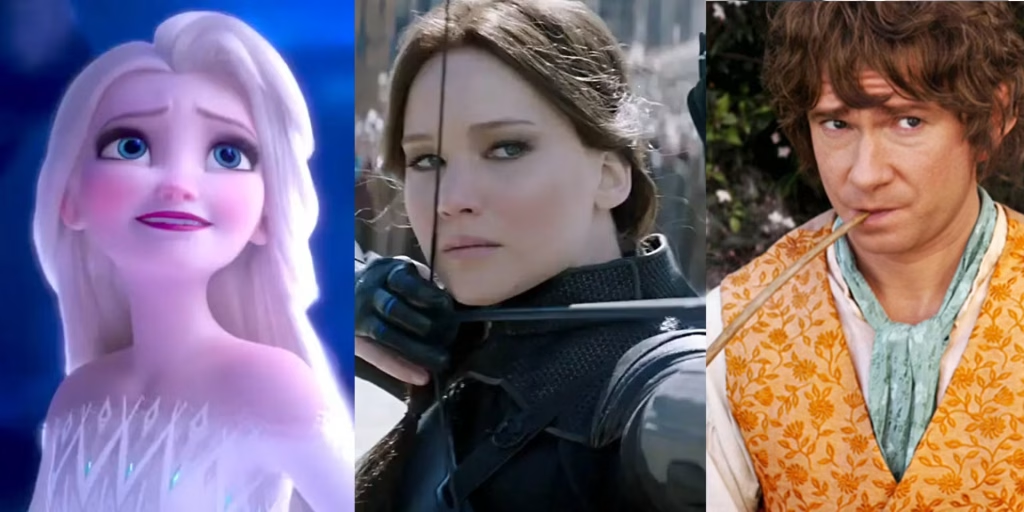
Notable Films and Characters Featuring Asexual Representation
1. “The Adjustment Bureau” (2011)
While not explicitly stated, the film’s character development and relational dynamics have been interpreted by some asexual viewers as reflecting an asexual perspective, demonstrating restraint in sexual desire.
2. “House” (TV Series) – Dr. Eric Foreman’s Romantic Subplots
Though a TV example, the portrayal of Dr. Foreman’s minimal interest in sexual relationships resonates with many asexual viewers, showing how characters may embody asexual traits even if not labeled explicitly.
3. “BoJack Horseman” – Todd Chavez
Todd Chavez explicitly identifies as asexual in the Netflix series, providing one of the most prominent examples of authentic asexual representation in animation. His storylines educate audiences on romantic and sexual orientation distinctions.
Learn more about asexuality
4. “Atypical” – Casey Gardner’s Friend
The series includes secondary characters who identify as asexual, highlighting challenges and normalization of different orientations in high school and young adult settings.
5. “Sex Education” – Character of Ola Nyman (Supporting Subtext)
The Netflix series addresses sexual diversity, with subtle hints at asexual experiences. Such portrayals help spark conversations about orientation and representation.
Common Misconceptions About Asexual Characters in Film
- Myth 1: Asexual characters are always celibate by choice.
- Myth 2: They are incapable of emotional or romantic relationships.
- Myth 3: Their orientation is a phase or temporary state.
- Myth 4: Asexuality is always visible through behavior or appearance.
- Myth 5: They exist only to support sexual characters’ storylines.
How Filmmakers Can Improve Asexual Representation
Authentic representation requires effort and intentionality:
- Consult Asexual Voices: Collaborate with asexual writers, consultants, or advocacy organizations.
- Provide Depth: Show characters with full lives beyond their orientation.
- Normalize Orientation: Include asexuality naturally without making it a plot gimmick.
- Highlight Diversity: Portray asexual characters with varying personalities, relationships, and challenges.
- Educate the Audience: Use character interactions to subtly inform viewers without didacticism.

The Impact of Asexual Representation on Society
Asexual representation has significant social benefits:
- Reduces stigma and invisibility for asexual people.
- Encourages conversations about sexual diversity in schools, workplaces, and media.
- Supports LGBTQ+ inclusivity by recognizing less-represented orientations.
- Empowers asexual individuals to embrace their identity with confidence.
Frequently Asked Questions About Asexual Representation in Film
1. What does asexual representation in film mean?
It refers to including characters who identify as asexual or display traits associated with asexuality, contributing to awareness and visibility.
2. Why is it important?
Representation fosters understanding, reduces stigma, and validates the experiences of asexual viewers.
3. Are there many films with asexual characters?
No, representation is still limited, but shows like BoJack Horseman and Sex Education are important milestones.
4. Can asexuality be romantic?
Yes. Asexual people may still experience romantic attraction, forming fulfilling romantic relationships without sexual desire.
5. How can viewers support authentic representation?
Advocate for diverse writers, share films and shows with accurate representation, and consult resources such as AVEN to learn more.
Conclusion
Asexual representation in film is essential for a more inclusive and accurate portrayal of human diversity. While progress has been slow, recent examples like Todd Chavez in BoJack Horseman demonstrate that authentic representation is possible and impactful. Films and media that include asexual characters educate audiences, foster empathy, and empower viewers who identify as asexual. By continuing to expand visibility, the film industry can play a key role in normalizing and celebrating all sexual orientations.