
🌟 What Is an Intersex Woman? Understanding Gender, Biology, and Identity
19/10/2024 · Updated on: 30/11/2025

- 🌈 What Is an Intersex Woman? Understanding Gender, Biology, and Identity
- 1. What Does It Mean to Be Intersex? 🧬
- 2. Who Is an Intersex Woman? 🌺
- 3. How Is an Intersex Woman Different from Other Women? 💡
- 4. Common Intersex Variations in Women 🧬
- 5. The Social Challenges Intersex Women Face 🚧
- 6. The Importance of Self-Identification and Respect 🌍
- 7. Breaking Down Myths About Intersex Women ❌
- 8. The Role of the Intersex Rights Movement ✊
- FAQs: Understanding Intersex Women 🌈
🌈 What Is an Intersex Woman? Understanding Gender, Biology, and Identity
The concept of being an intersex woman is one that challenges traditional understandings of sex and gender. Often misunderstood or overlooked, intersex individuals are born with biological characteristics that don’t fit typical definitions of male or female. An intersex woman specifically refers to someone who is biologically intersex and identifies as a woman.
In this article, we’ll explore what it means to be an intersex woman, how biological sex differs from gender identity, and the lived experiences of intersex individuals. By unpacking these ideas, we aim to offer a more inclusive understanding of the diverse spectrum of human biology and identity. 🌟
1. What Does It Mean to Be Intersex? 🧬
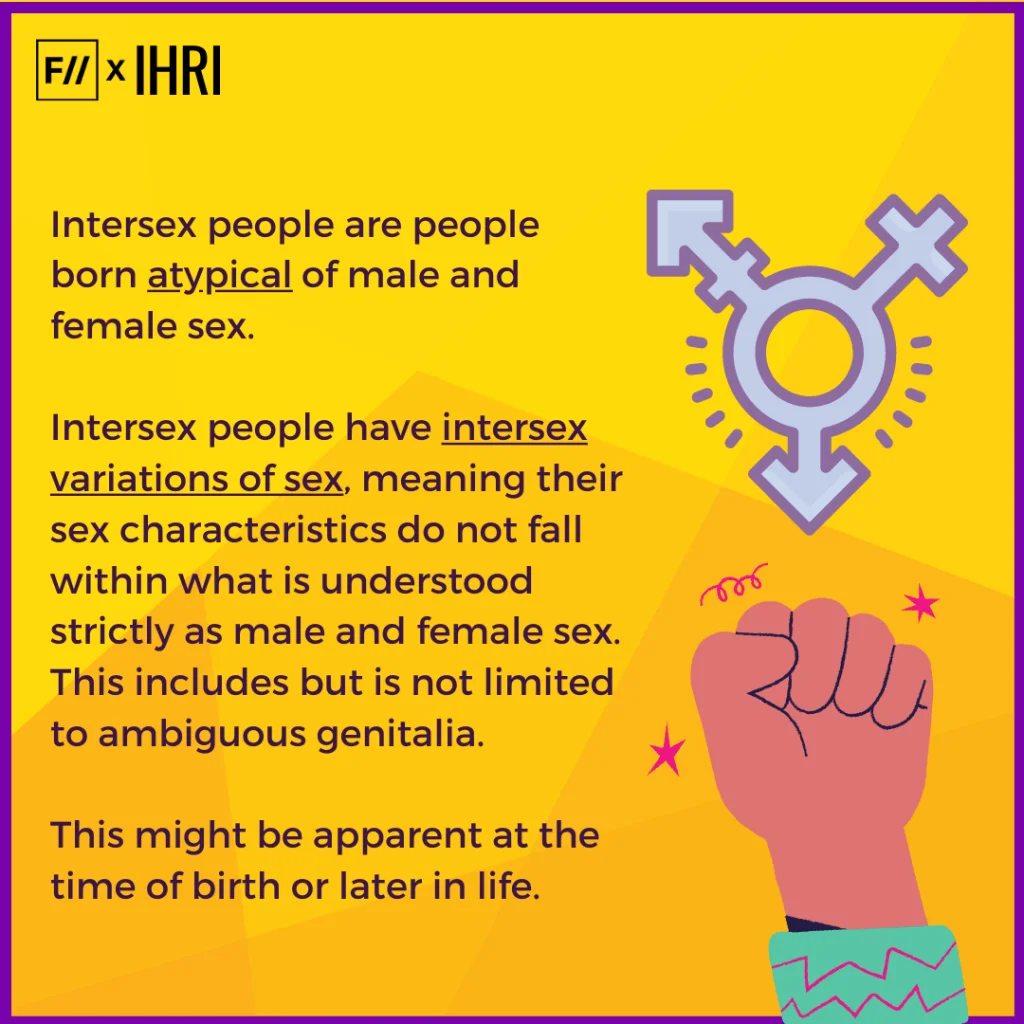
To begin understanding what an intersex woman is, it’s essential to define the term "intersex." Intersex refers to a variety of conditions where a person is born with reproductive or sexual anatomy that doesn’t fit typical definitions of female or male. This could involve differences in chromosomes, hormones, genitalia, or reproductive organs.
Intersex traits can be identified at birth, during puberty, or sometimes not until later in life. It’s important to note that being intersex is a natural variation in human biology, just like other variations such as hair color or height.
💡 Key Point: Intersex is not the same as transgender. Being intersex refers to biological sex characteristics, whereas transgender refers to someone whose gender identity differs from the sex assigned to them at birth.
2. Who Is an Intersex Woman? 🌺
An intersex woman is someone born with intersex traits but identifies as a woman. Gender identity – whether someone identifies as a man, woman, or non-binary – is separate from biological sex. While some intersex people may identify as non-binary or male, an intersex woman identifies with the female gender, regardless of their biological variations.
In society, gender identity is based on how individuals perceive themselves and how they choose to present that identity to the world. Just as cisgender women (those who are born female and identify as female) or transgender women (those who transition to the female gender) live as women, intersex women also express their gender as women, despite their biological differences.
💡 Why this matters: Gender identity is deeply personal, and for an intersex woman, her identification as a woman is as valid as any other woman, regardless of biological complexities.
3. How Is an Intersex Woman Different from Other Women? 💡
The main distinction between an intersex woman and other women lies in biological sex characteristics. While most women are born with anatomy that fits typical definitions of female (e.g., two X chromosomes, ovaries, uterus), an intersex woman may have variations in chromosomes, genitalia, or hormone levels that don’t align perfectly with the "male" or "female" categories.
For instance, an intersex woman might have:
- Chromosomes that are not typically associated with being female (e.g., XY chromosomes instead of XX).
- A combination of both male and female reproductive anatomy.
- Hormonal differences that affect secondary sexual characteristics (such as facial hair or breast development).
💡 Important distinction: These biological differences do not define an intersex woman’s gender identity. Being a woman is a matter of self-identification, and many intersex women live fully as women without anyone being aware of their intersex traits.
4. Common Intersex Variations in Women 🧬
Intersex conditions can vary widely. Here are a few common variations that might apply to an intersex woman:
- Androgen Insensitivity Syndrome (AIS): An intersex person with AIS might have XY chromosomes typically associated with males, but their bodies don’t respond to male hormones (androgens). As a result, they may develop female secondary sexual characteristics and identify as female.
- Congenital Adrenal Hyperplasia (CAH): CAH causes the adrenal glands to produce more androgens than usual, which can affect genital development in intersex people. Women with CAH may have ambiguous genitalia at birth but still identify as female.
- Klinefelter Syndrome (XXY): Typically associated with males, Klinefelter Syndrome occurs when someone has an extra X chromosome (XXY instead of XY). Some intersex women with this condition identify as female despite being born with male-associated chromosomes.
💡 Note: These are just examples of intersex variations, and every intersex woman’s body is different. The range of biological diversity in intersex people is vast.
Intersex individuals, including intersex women, often face significant challenges due to societal misunderstandings about sex and gender. Many people are unfamiliar with the concept of being intersex, which can lead to stigma, shame, and confusion.
Historically, intersex people have been subjected to unnecessary surgeries during infancy or childhood to "normalize" their bodies, without their consent. These procedures were often done based on the outdated belief that ambiguous genitalia needed to be corrected to fit into male or female categories. Many intersex activists and advocates now campaign for a "hands-off" approach to let intersex individuals make decisions about their bodies as they grow older.
💡 Why it matters: Acceptance and understanding of intersex identities are essential to protect the dignity, bodily autonomy, and human rights of intersex women and all intersex individuals.
6. The Importance of Self-Identification and Respect 🌍
It is crucial to respect the self-identification of an intersex woman, just as we do for all people. Gender is a deeply personal aspect of who we are, and for intersex women, this is no different. While some might face questions or challenges because of their biological traits, their identity as women is just as valid as any other woman.
Respecting pronouns and understanding how intersex people identify themselves is vital. Not all intersex people identify as women, and for those who do, affirming their gender identity is an important part of their well-being.
💡 Takeaway: Whether someone is intersex or not, gender identity is a personal experience. It’s essential to listen, learn, and respect how individuals define themselves.
7. Breaking Down Myths About Intersex Women ❌
There are many myths and misunderstandings surrounding intersex individuals, particularly intersex women. Let’s debunk a few common misconceptions:
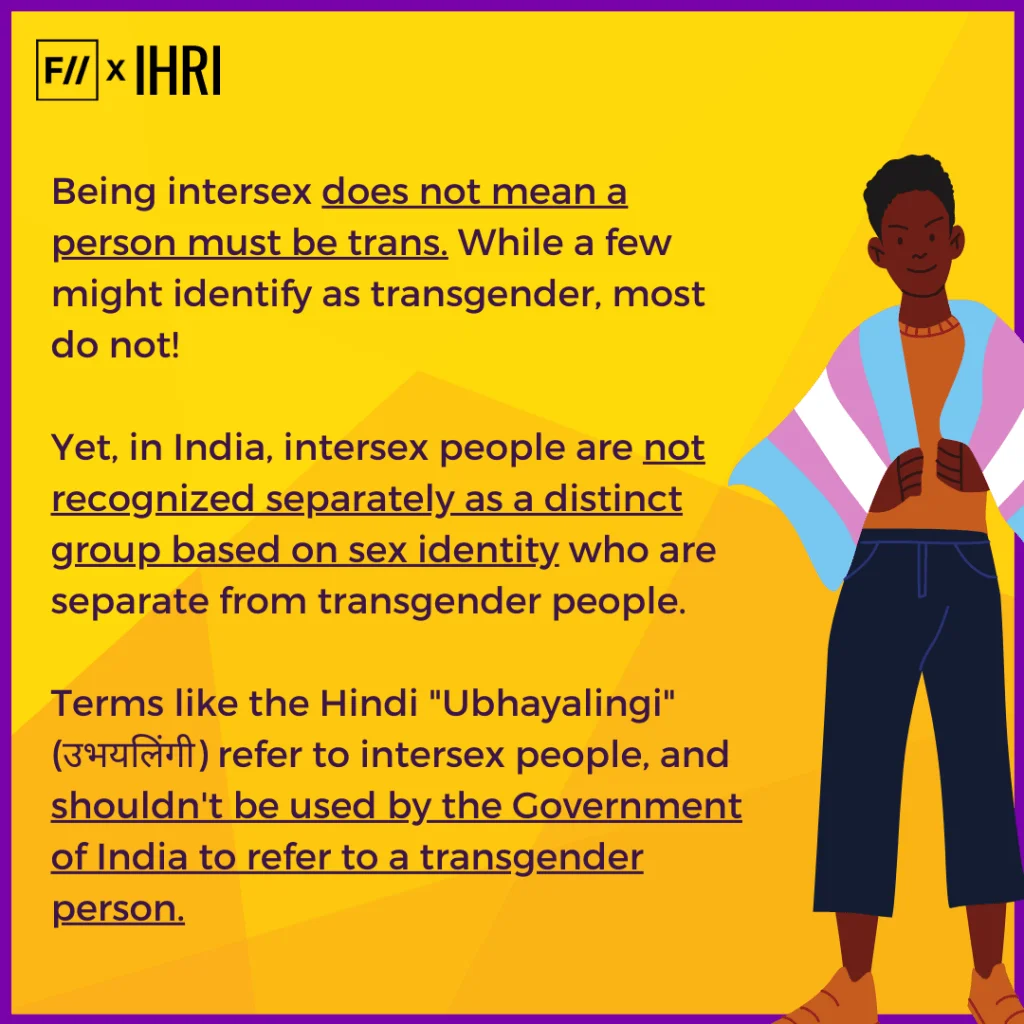
- Myth: All intersex people are transgender.
- Fact: Intersex and transgender are distinct identities. Intersex refers to biological traits, while transgender refers to gender identity. An intersex woman can be cisgender (if she was assigned female at birth) or transgender (if she was assigned male at birth), but not all intersex people identify as transgender.
- Myth: Intersex women can’t live normal lives.
- Fact: Intersex women live full, rich lives just like anyone else. Their intersex traits do not define their potential, talents, or capabilities.
- Myth: Intersex traits are extremely rare.
- Fact: Intersex traits are more common than people think. Experts estimate that about 1 in 1,500 to 1 in 2,000 births result in a baby with intersex characteristics.
8. The Role of the Intersex Rights Movement ✊
The intersex rights movement has been growing in recent years, with advocates fighting for the rights of intersex individuals to make informed choices about their bodies. This movement is particularly important for intersex women who have historically faced societal pressures to conform to gender norms.
Organizations like InterACT and OII (Organisation Intersex International) work to raise awareness, fight for bodily autonomy, and challenge the unnecessary medical interventions that many intersex people have faced.
💡 Why it’s crucial: The movement highlights that intersex women, like all people, deserve respect, autonomy, and the right to define their own identity.
FAQs: Understanding Intersex Women 🌈
1. What does it mean to be an intersex woman?
An intersex woman is someone born with intersex traits (biological characteristics that don’t fit typical male or female categories) but identifies as a woman.
2. Is being intersex the same as being transgender?
No, being intersex refers to biological sex characteristics, while being transgender refers to gender identity. An intersex woman identifies as female, but her biological traits don’t fit typical definitions of male or female.
3. How common are intersex individuals?
Intersex traits are more common than most people think, affecting about 1 in 1,500 to 1 in 2,000 people. This is roughly the same rate as people born with red hair.
4. What are some common intersex conditions?
Some common intersex variations include Androgen Insensitivity Syndrome (AIS), Congenital Adrenal Hyperplasia (CAH), and Klinefelter Syndrome (XXY).
5. Do intersex women need surgery?
Many intersex activists and advocates argue against unnecessary surgeries on intersex children. They believe individuals should be able to make decisions about their bodies as they get older.
6. Can an intersex woman live a normal life?
Yes! Intersex women live full, normal lives. Their biological traits do not limit their potential or their ability to thrive in society.

Conclusion 🌸
An intersex woman is someone whose biological traits don’t fit traditional male or female definitions but who identifies as female. Understanding and respecting intersex identities is crucial in promoting inclusivity and supporting the rights of intersex individuals. By breaking down myths and encouraging open dialogue, we can foster a more inclusive world for everyone, regardless of gender or biology.