
What Is Aromanticism? A Complete Guide to the Aromantic Spectrum
27/11/2025 · Updated on: 30/11/2025

Understanding human relationships requires acknowledging that not everyone experiences romantic attraction in the same way. While society places significant emphasis on romantic love, millions of people around the world don’t feel or desire it. This is where the concept of aromanticism becomes essential.
But what is aromanticism? How does it differ from asexuality? What identities exist within the aromantic spectrum? How can we debunk common misconceptions and support aromantic individuals?
This comprehensive guide explores aromanticism through an inclusive, research-based, and accessible lens. It aims to provide clarity, encourage understanding, and offer support for people navigating or learning about aromantic identities.
- What Is Aromanticism?
- Main Characteristics of Aromanticism
- The Aromantic Spectrum (Aro-Spec)
- Common Myths and Misconceptions About Aromanticism
- How Aromantic People Form Relationships
- Signs You Might Be Aromantic
- Why Understanding Aromanticism Matters
- How to Support an Aromantic Person
- Frequently Asked Questions About Aromanticism
- Embracing the Diversity of Human Attraction
What Is Aromanticism?
Aromanticism refers to a romantic orientation in which a person experiences little to no romantic attraction. Aromantic people may form deep connections—friendship, queerplatonic partnerships, community bonds—but they do not experience the desire for romantic relationships in the conventional sense.
Aromanticism describes how someone experiences romantic attraction, not how they handle intimacy, sexuality, or relationships. Many aromantic individuals maintain fulfilling emotional lives, support networks, and interpersonal connections that have nothing to do with romance.
According to LGBTQ+ advocacy and education organizations such as GLAAD and The Trevor Project, romantic orientations—like sexual orientations—exist along a spectrum. Aromanticism is one part of that spectrum, with individuals expressing varied experiences of attraction and relationships.
Main Characteristics of Aromanticism
While every aromantic person is unique, some common characteristics include:
1. Little or No Romantic Attraction
An aromantic person typically does not experience romantic attraction toward others, regardless of gender. This may manifest as:
- No desire for romantic relationships
- Confusion or indifference toward romantic behaviors
- Feeling “out of sync” with societal expectations
2. Romance May Feel Unnecessary or Uninteresting
Many aromantic individuals simply do not feel a pull toward romance. They may prefer platonic or queerplatonic relationships that do not involve romantic gestures.
3. Independence From Romantic Norms
Aromantic people often reject common romantic milestones, such as:
- Dating
- Romantic courtship
- Traditional partnerships
- Romantic holidays or gestures
4. Strong Platonic or Queerplatonic Bonds
Aromantic individuals frequently build rich social circles and may form queerplatonic partnerships (QPPs), which are committed relationships not framed around romance.
5. Distinct From Sexual Orientation
A person can be aromantic and:
- asexual
- bisexual
- gay
- heterosexual
- pansexual
Romantic and sexual orientations function independently.
Aromanticism vs. Asexuality: What’s the Difference?
The terms are often confused, but they describe entirely different forms of attraction:

| Aromanticism | Asexuality |
|---|---|
| No (or little) romantic attraction | No (or little) sexual attraction |
| May or may not desire romance | May or may not desire sexual relationships |
| Romantic orientation | Sexual orientation |
A person can be aromantic and asexual, aromantic and allosexual, or any combination across the two spectra. Understanding this distinction is crucial.
The Aromantic Spectrum (Aro-Spec)
Aromanticism exists on a wide spectrum known as aro-spec. Some identities on this spectrum include:
1. Grayromantic
A grayromantic person experiences romantic attraction rarely, weakly, or under very specific circumstances.
2. Demiromantic
Demiromantic individuals feel romantic attraction only after forming a deep emotional connection.
3. Lithromantic (Akoiromantic)
Someone who may feel romantic attraction but does not desire reciprocation—or loses interest when reciprocation occurs.
4. Recipromantic
A person who only experiences romantic attraction after someone expresses attraction first.
5. Cupioromantic
Someone who does not experience romantic attraction but still wants a romantic relationship.
6. Aroflux
A person whose romantic attraction fluctuates over time.
Common Myths and Misconceptions About Aromanticism
Aromanticism is often misunderstood. Here are the most common myths:
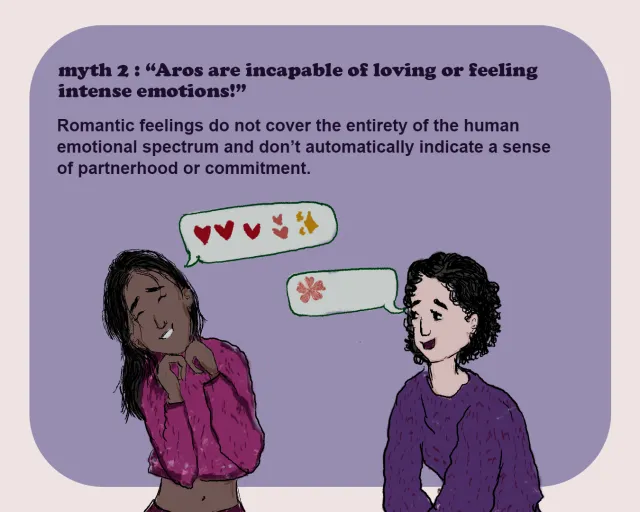
Myth 1: “Aromantic people can’t love.”
False. Aromantic people can love deeply—just not romantically.
Myth 2: “Aromanticism is the same as asexuality.”
They can overlap but are different orientations.
Myth 3: “Aromantic people just haven’t met the right person.”
This invalidates their orientation and assumes a universal desire for romance.
Myth 4: “Aromantic people are cold or detached.”
Aromantic people often have strong emotional lives and meaningful connections.
Myth 5: “Aromanticism is a phase or trauma response.”
Aromanticism is a valid orientation, not a temporary state.
How Aromantic People Form Relationships
1. Platonic Partnerships
Friendships may serve as deeply fulfilling long-term bonds.
2. Queerplatonic Relationships
QPPs are often committed and emotionally significant without romantic framing.
3. Community-Based Support Systems
Many aromantic individuals build support networks through chosen family and community.
4. Sexual or Intimate Relationships (Optional)
An aromantic person who is allosexual may engage in sexual relationships without romance.
5. Independent Lifestyles
Some aromantic individuals choose highly autonomous and self-defined life paths.
Signs You Might Be Aromantic
- Lack of interest in dating or romance
- Indifference toward romantic storylines
- Confusion around romantic feelings described by others
- Preference for friendships over romantic relationships
- Feeling social pressure—but not personal desire—to date
- Not understanding the concept of “crushes”
Why Understanding Aromanticism Matters
Recognizing aromantic identities helps:
- Reduce stigma
- Promote inclusivity
- Support mental well-being
- Improve relationship communication
- Challenge romantic-normative assumptions
How to Support an Aromantic Person
1. Validate Their Orientation
Avoid comments like “you’ll change your mind.”
2. Respect Their Boundaries
Don’t pressure them into romantic situations.
3. Use Correct Terminology
If they identify with a specific aro-spec label, use it respectfully.
4. Affirm Non-Romantic Relationships
Friendships, QPPs, and other bonds are just as meaningful.
5. Listen Without Judgment
Give them the space to express their experiences authentically.
6. Educate Yourself Using Reliable Resources
Frequently Asked Questions About Aromanticism
1. Can aromantic people fall in love?
Yes—platonically, familially, or queerplatonically.
2. Can an aromantic person have a partner?
Absolutely. Many aromantic people form strong non-romantic partnerships.
3. Is aromanticism rare?
It is underrepresented but not necessarily rare; awareness is increasing.
4. Can aromantic people experience sexual attraction?
Yes. Aromanticism and asexuality are separate orientations.
5. How do aromantic people know they’re aromantic?
Through exploration, reflection, and learning about romantic orientations.
Embracing the Diversity of Human Attraction
So, what is aromanticism? It is a valid and enriching romantic orientation defined by experiencing little or no romantic attraction. Aromantic individuals offer valuable perspectives on relationships, intimacy, and connection. Understanding aromanticism helps build a more inclusive and supportive world for everyone—regardless of how they experience attraction or form relationships.